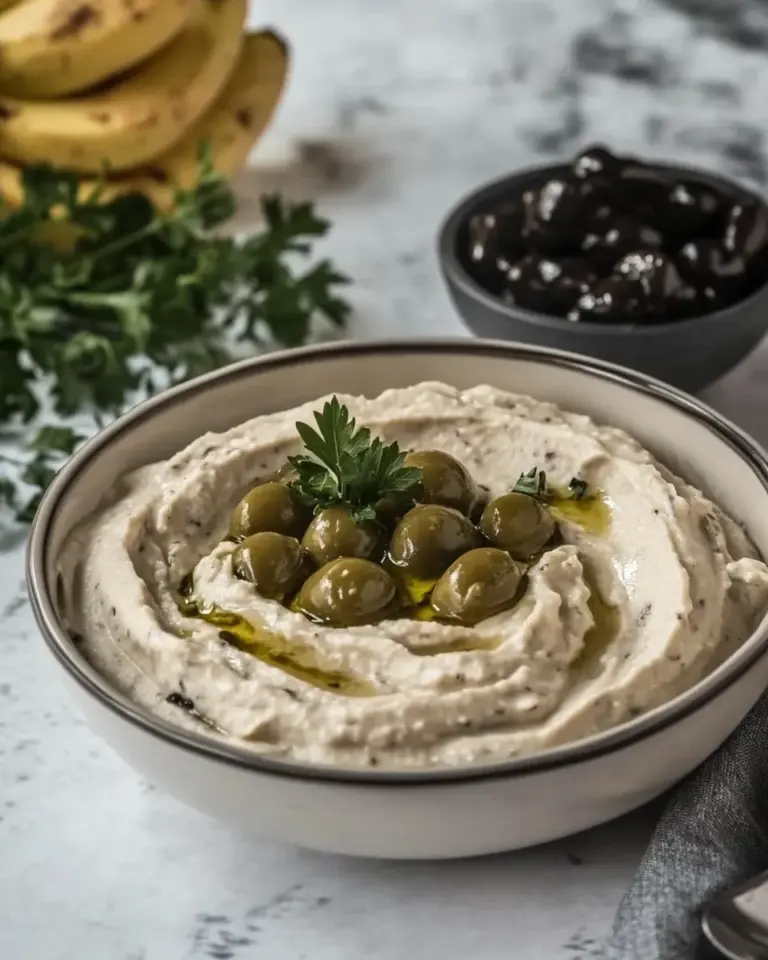
Turkish Eggs (lbr)
There’s something undeniably special about Turkish Eggs (lbr), a dish that beautifully marries simplicity with depth of flavor. Originating from the vibrant streets of Turkey, this dish has made its way into homes around the world, captivating food lovers with its creamy yogurt base, perfectly poached eggs, and aromatic spices. Whether you’re looking for a hearty breakfast, a light lunch, or a unique dinner option, Turkish Eggs (lbr) ticks all the boxes. With just a handful of ingredients, you can create a meal that feels luxurious yet is incredibly easy to prepare. So, let’s dive into the world of Turkish Eggs (lbr) and explore why they deserve a spot on your table!
Why You’ll Keep Making It

Turkish Eggs (lbr) are not just a meal; they are an experience. Each bite offers a delightful combination of textures and flavors that will have you coming back for more. Here’s why this dish will become a staple in your kitchen:
- Quick and Easy: With minimal preparation and cooking time, Turkish Eggs (lbr) are perfect for busy mornings or spontaneous brunches.
- Customizable: You can easily adjust the spices or add your favorite toppings, making this dish versatile for any palate.
- Healthy and Wholesome: Packed with protein from the eggs and probiotics from the Greek yogurt, it’s a nutritious option to fuel your day.
- Stunning Presentation: The vibrant colors of the dish are sure to impress your guests, making it perfect for entertaining.
What We’re Using
To make the perfect Turkish Eggs (lbr), you’ll need the following ingredients:
- 3/4 cup plain Greek yogurt: This adds creaminess and tang to the dish.
- 1 garlic clove, minced: For a punch of flavor.
- Salt to taste: Essential for enhancing the overall taste.
- 2 large eggs: The star of the show, providing protein and richness.
- 1 tablespoon white vinegar: Helps in poaching the eggs perfectly.
- 3 tablespoons olive oil: Adds a beautiful richness and flavor.
- 2 teaspoons Aleppo pepper flakes: For a mild heat and a unique flavor profile.
- 1/2 teaspoon smoked paprika: Adds depth and warmth.
- Fresh dill for garnish: To elevate the dish with freshness and color.
Hardware & Gadgets
Before you start cooking, gather these handy tools to streamline the process:
- Small mixing bowl: For combining the yogurt and garlic.
- Pot for poaching: A medium-sized pot will work perfectly.
- Slotted spoon: Essential for removing the poached eggs from the water.
- Frying pan: For heating the olive oil and spices.
- Serving plates: To beautifully present your Turkish Eggs (lbr).
Turkish Eggs (lbr), Made Easy

Now, let’s get to the fun part—making your Turkish Eggs (lbr)! Follow these simple steps to create a delicious meal that will impress everyone at the table.
Step 1: Prepare the Yogurt Base
In a small mixing bowl, combine the 3/4 cup plain Greek yogurt, 1 minced garlic clove, and a pinch of salt to taste. Mix well until the garlic is evenly distributed. This creamy mixture will serve as the base for your dish.
Step 2: Poach the Eggs
Fill a medium-sized pot with water and bring it to a gentle simmer. Add 1 tablespoon of white vinegar to the water. This will help the eggs hold their shape while cooking. Crack the 2 large eggs into individual small bowls or cups. Carefully slide the eggs into the simmering water, one at a time. Poach for about 3-4 minutes, or until the whites are set but the yolks are still runny. Use a slotted spoon to remove the eggs and set them aside on a paper towel to drain.
Step 3: Prepare the Spiced Oil
In a frying pan over medium heat, add 3 tablespoons of olive oil. Once the oil is warm, stir in 2 teaspoons of Aleppo pepper flakes and 1/2 teaspoon of smoked paprika. Sauté for about 30 seconds, allowing the spices to infuse the oil with their flavors. Be careful not to burn the spices.
Step 4: Assemble the Dish
On a serving plate, spread a generous layer of the yogurt mixture. Carefully place the poached eggs on top, allowing the yolks to spill slightly. Drizzle the spiced oil over the eggs and yogurt, ensuring every bite is packed with flavor.
Step 5: Garnish and Serve
Finish with fresh dill as a garnish for a pop of color and flavor. Serve your Turkish Eggs (lbr) immediately, accompanied by crusty bread for dipping.
Dietary Customizations

Turkish Eggs (lbr) can easily be adapted to fit various dietary needs. Consider the following options:
- Vegan: Substitute the eggs with tofu or chickpea flour scramble, and use a vegan yogurt alternative.
- Dairy-Free: Opt for a plant-based yogurt to replace the Greek yogurt.
- Gluten-Free: Serve with gluten-free bread or omit the bread entirely.
- Low-Carb: Serve with roasted vegetables or a fresh salad instead of bread.
Frequent Missteps to Avoid
Creating the perfect Turkish Eggs (lbr) is easy, but there are a few common pitfalls to watch out for:
- Overcooking the Eggs: Keep an eye on your eggs while poaching. Overcooked eggs can have rubbery whites and a hard yolk.
- Not Seasoning Enough: Don’t forget to season both the yogurt and the eggs adequately; this is key to enhancing the flavors.
- Using Cold Yogurt: For a smoother texture, let the yogurt sit at room temperature for a bit before mixing.
- Skipping the Vinegar: The vinegar is crucial for helping the eggs hold their shape while poaching—don’t skip it!
Keep-It-Fresh Plan
If you have leftovers or want to prepare ahead of time, here’s how to keep your Turkish Eggs (lbr) fresh:
Store the yogurt mixture in an airtight container in the refrigerator for up to 3 days. Poached eggs can be refrigerated for a day, but they’re best enjoyed fresh. To reheat, simply immerse them in hot water for a few minutes. The spiced oil can also be made in advance and stored in a sealed jar at room temperature for up to a week.
Top Questions & Answers
Can I use different spices in Turkish Eggs (lbr)?
Absolutely! Feel free to experiment with different spices such as cumin or coriander to suit your taste. Just remember to keep the balance of flavors in mind.
What can I serve with Turkish Eggs (lbr)?
This dish pairs wonderfully with crusty bread, pita, or a fresh salad. You can also add olives or feta cheese for extra flavor.
How do I make the eggs less runny?
If you prefer firmer yolks, cook the eggs a minute or two longer while poaching. Just be cautious not to overcook them.
Can I prepare Turkish Eggs (lbr) in advance?
While the yogurt mixture can be made ahead of time, it’s best to poach the eggs just before serving for optimal freshness and texture.
See You at the Table
Turkish Eggs (lbr) are a delightful way to experience the bold flavors and comforting textures of Turkish cuisine right in your kitchen. With their luscious yogurt base, perfectly poached eggs, and aromatic spiced oil, this dish embodies everything we love about food—simplicity, flavor, and a touch of elegance.
So gather your ingredients, invite your friends or family, and serve up a plate of Turkish Eggs (lbr) that will surely become a beloved favorite. Enjoy each bite, savor the flavors, and don’t forget to share the love (and the recipe) with others!

Turkish Eggs (lbr)
Ingredients
Equipment
Method
- In a small mixing bowl, combine the Greek yogurt, minced garlic, and a pinch of salt. Mix well until evenly distributed.
- Fill a medium-sized pot with water and bring it to a gentle simmer. Add the white vinegar. Crack the eggs into small bowls, then slide them into the simmering water. Poach for about 3-4 minutes, or until the whites are set.
- In a frying pan over medium heat, add the olive oil. Once warm, stir in the Aleppo pepper flakes and smoked paprika. Sauté for about 30 seconds.
- On a serving plate, spread a layer of the yogurt mixture, place the poached eggs on top, and drizzle with the spiced oil.
- Garnish with fresh dill and serve immediately, accompanied by crusty bread.
Notes
- Store leftover yogurt in an airtight container for up to 3 days.
- Poached eggs are best enjoyed fresh; reheat in hot water for a few minutes.
- Customize with your favorite spices for a unique twist.