Teriyaki Broccoli and Carrots (Easy!)
If you’re searching for a quick, healthy, and vibrant dish that bursts with flavor, look no further! Teriyaki Broccoli and Carrots (Easy!) is the perfect solution for a weeknight dinner or a delightful side dish. This colorful combination of veggies, coated in a sweet and savory teriyaki sauce, provides a satisfying meal that is sure to please everyone at your table. Plus, it comes together in no time, making it a go-to recipe for busy days.
Top Reasons to Make Teriyaki Broccoli and Carrots (Easy!)
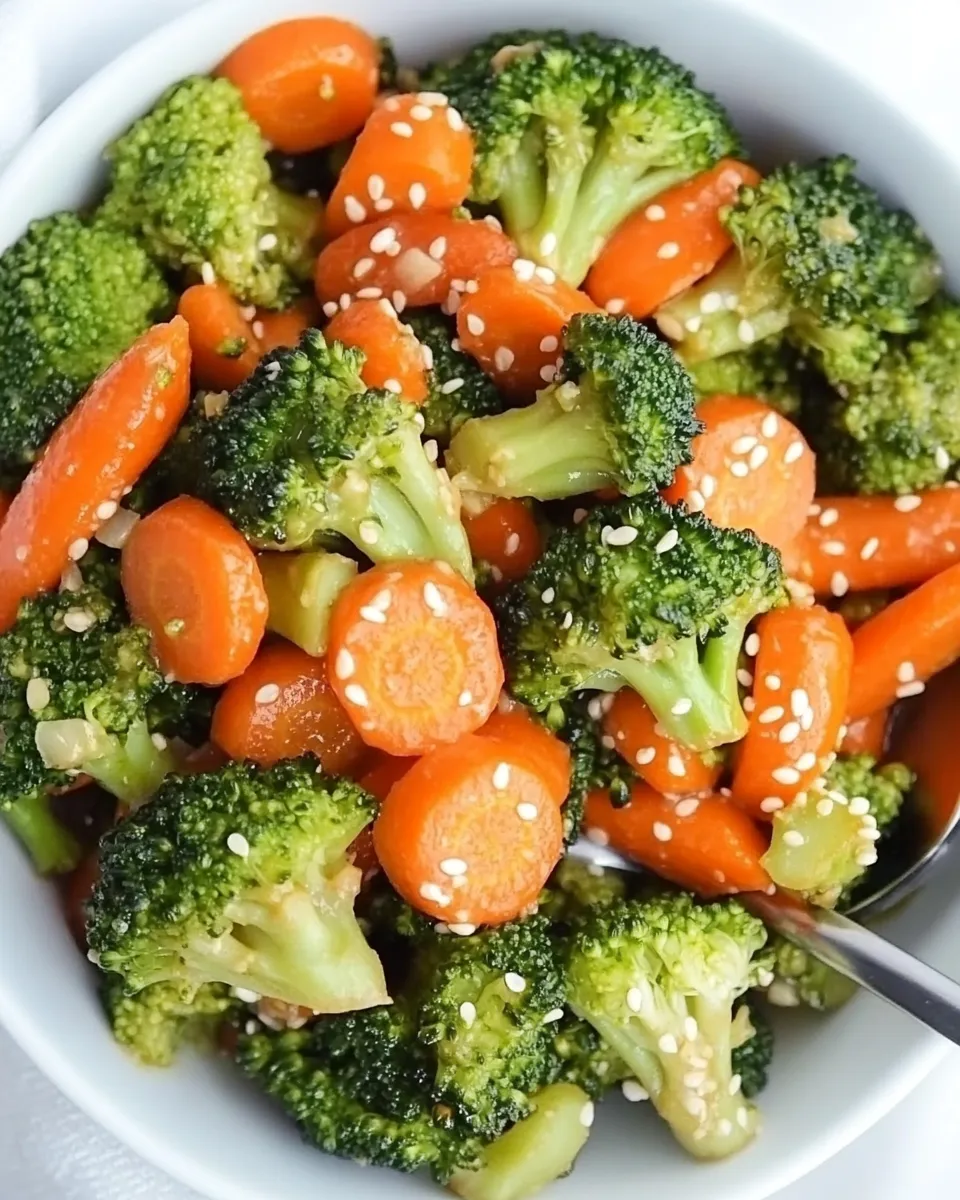
- Quick and Simple: This recipe takes less than 30 minutes to prepare, making it ideal for busy weeknights.
- Healthy Ingredients: Packed with vitamins and minerals, broccoli and carrots are nutritional powerhouses that contribute to a balanced diet.
- Flavorful Sauce: The combination of tamari (or soy sauce), maple syrup, and fresh ginger creates a deliciously sticky glaze.
- Versatile: Serve it over rice or quinoa, or enjoy it as a standalone dish. The possibilities are endless!
- Colorful Presentation: The vibrant colors of the veggies make this dish visually appealing and appetizing.
The Essentials
To whip up this Teriyaki Broccoli and Carrots (Easy!), you will need the following ingredients:
- 7-8 cups broccoli florets: Fresh, vibrant broccoli is key for this dish. Cut into bite-sized pieces for easy cooking.
- 3 medium carrots: Sliced thinly to ensure even cooking and a pleasant crunch.
- 1/4 cup tamari (or soy sauce): This forms the base of our teriyaki sauce, providing that signature umami flavor.
- 3 tablespoons pure maple syrup (or brown sugar): Adds sweetness and balances the saltiness of the tamari.
- 1/3 cup vegetable broth or water: Used to thin the sauce and help the veggies steam.
- 2 teaspoons rice vinegar: For a slight tang that enhances the overall flavor profile.
- 1-2 cloves garlic: Freshly minced for a robust aroma and taste.
- 2 teaspoons ginger, freshly grated: A must for that fragrant zing in teriyaki sauce.
- 1 tablespoon cornstarch: Helps thicken the sauce for a glossy finish.
- Cooked rice or quinoa: To serve as a base for the vegetables.
- Sesame seeds for garnish: Optional, but they add a nice crunch and visual appeal.
Setup & Equipment
Before you get started, ensure you have the following equipment ready:
- Large skillet or wok: For sautéing the vegetables and mixing the sauce.
- Cutting board and knife: Essential for chopping the broccoli and slicing the carrots.
- Measuring cups and spoons: To ensure the right proportions of ingredients.
- Spatula or wooden spoon: For stirring the veggies and sauce.
- Small bowl: To mix the cornstarch with a few tablespoons of water before adding it to the sauce.
Teriyaki Broccoli and Carrots (Easy!) — Do This Next
Step 1: Prepare the Vegetables
Start by washing the broccoli florets thoroughly under cold water. Trim any tough stems and cut them into bite-sized pieces. Next, peel the carrots and slice them thinly on a diagonal for a beautiful presentation.
Step 2: Make the Teriyaki Sauce
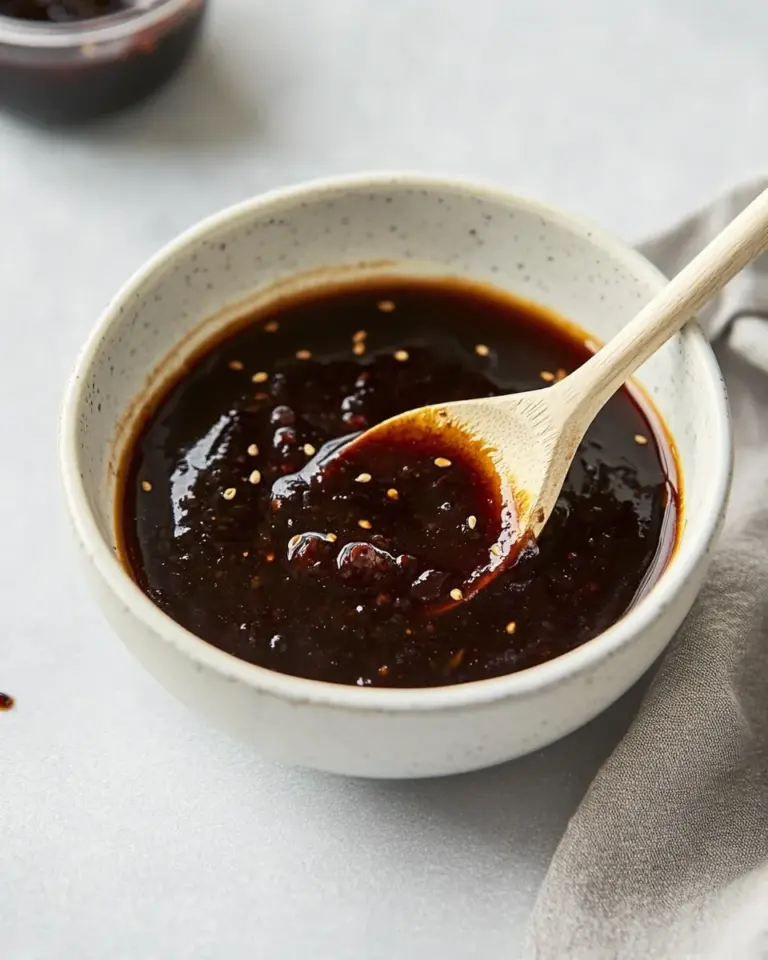
In a bowl, combine the tamari (or soy sauce), maple syrup (or brown sugar), vegetable broth (or water), rice vinegar, minced garlic, and freshly grated ginger. Whisk until well combined. In a separate small bowl, mix the cornstarch with a couple of tablespoons of water until smooth. This will help thicken our sauce later.
Step 3: Sauté the Vegetables
Heat your large skillet or wok over medium-high heat. Add a splash of water or a drizzle of oil, then toss in the broccoli and carrots. Sauté for about 5-7 minutes, or until the vegetables are tender but still crisp.
Step 4: Add the Sauce
Pour the teriyaki sauce over the sautéed veggies, stirring to coat evenly. Bring the mixture to a gentle simmer.
Step 5: Thicken the Sauce
Add the cornstarch mixture to the skillet, stirring continuously. Cook for another 1-2 minutes, until the sauce thickens and becomes glossy.
Step 6: Serve!
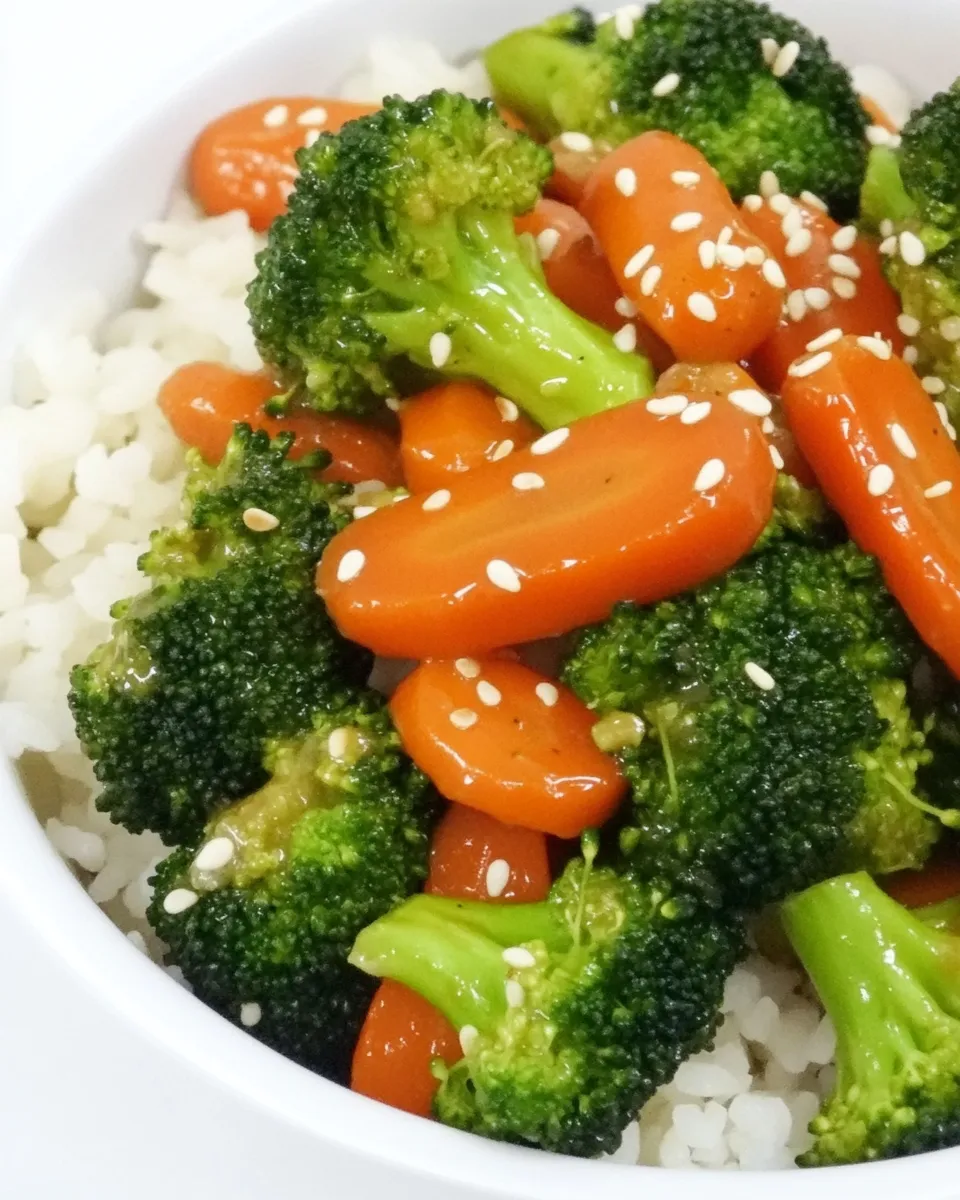
Remove from heat and serve the teriyaki broccoli and carrots over cooked rice or quinoa. Garnish with sesame seeds for an extra touch of flavor and crunch.
Health-Conscious Tweaks
If you’re looking to make this dish even healthier, consider the following tweaks:
- Reduce the Sweetness: Use less maple syrup or brown sugar to cut down on sugar intake.
- Add More Veggies: Incorporate other vegetables like bell peppers, snap peas, or mushrooms for added nutrients.
- Use Low-Sodium Tamari: Opt for a low-sodium version of tamari or soy sauce to decrease sodium levels.
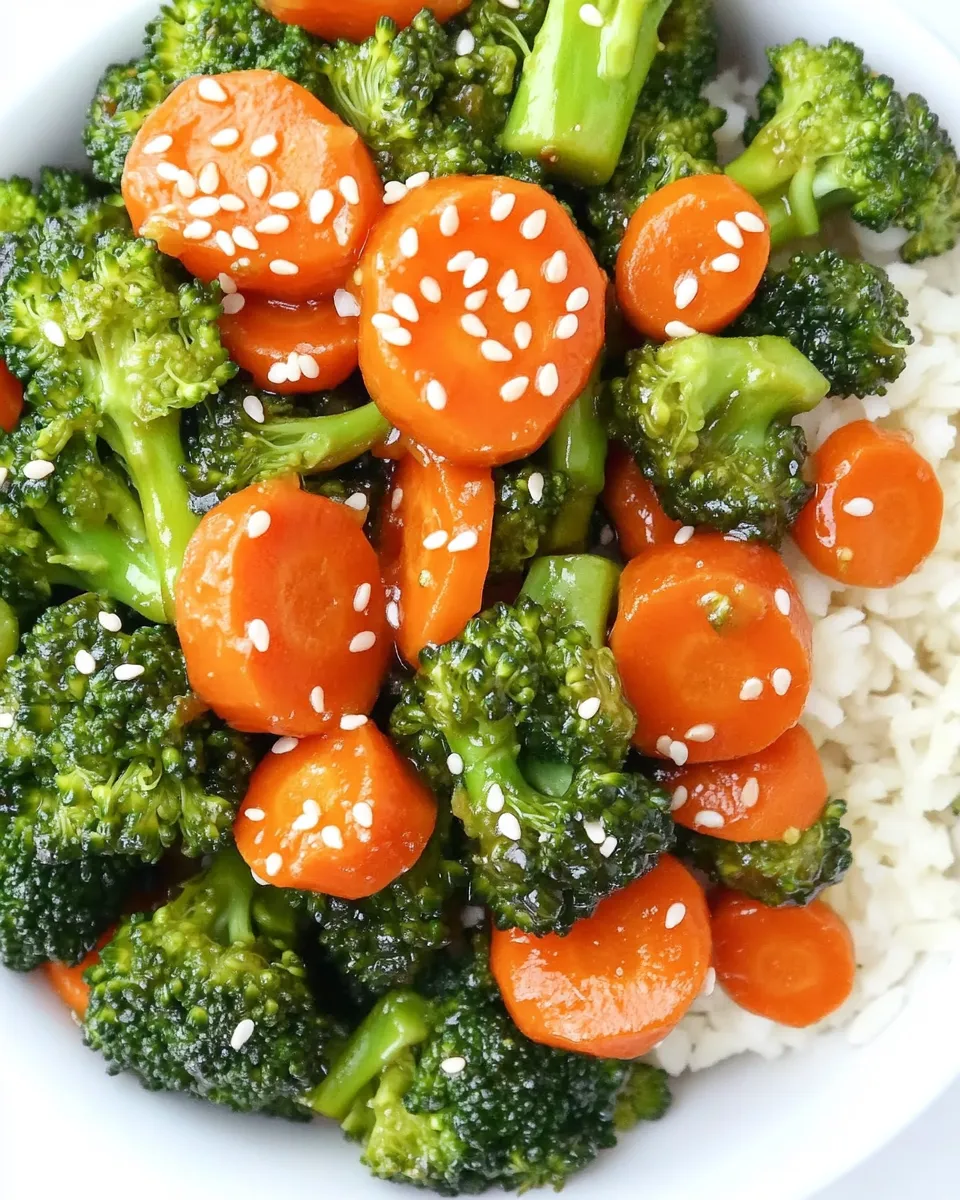
- Whole Grain Base: Serve it over brown rice or quinoa for more fiber and nutrients compared to white rice.
Common Errors (and Fixes)
- Overcooking the Vegetables: Keep a close eye on your veggies to maintain their crunch. Aim for vibrant colors and tenderness without mushiness.
- Sauce Too Thick: If your sauce becomes too thick, simply add a splash of vegetable broth or water to loosen it up.
- Insufficient Flavor: Taste the sauce before serving. If it lacks depth, add a splash more tamari or a pinch of salt.
- Burnt Garlic: Garlic can burn quickly, so add it mid-way through cooking the vegetables to avoid bitterness.
Keep It Fresh: Storage Guide
For those who love meal prepping or want to enjoy leftovers, here’s how to store your Teriyaki Broccoli and Carrots (Easy!):
Store any leftovers in an airtight container in the refrigerator for up to 3 days. To reheat, simply warm it on the stovetop or in the microwave until heated through. If the sauce thickens too much upon refrigeration, add a splash of water when reheating to restore its consistency.
Reader Q&A
Can I use frozen broccoli and carrots for this recipe?
Yes! Frozen broccoli and carrots can be used, but be sure to thaw them first and drain any excess water before sautéing to avoid a watery dish.
What can I substitute for tamari?
If you don’t have tamari on hand, soy sauce is a great alternative. For a gluten-free option, simply ensure that the soy sauce is labeled as gluten-free.
Can I add protein to this dish?
Absolutely! Tofu, chicken, or shrimp can be added for a more filling meal. Just cook the protein separately and mix it with the vegetables and sauce at the end.
Is it possible to make this dish ahead of time?
Yes, you can prepare the sauce and chop the vegetables ahead of time. Store them separately and combine them when you’re ready to cook for the freshest taste.
Before You Go
Teriyaki Broccoli and Carrots (Easy!) is not only a quick and healthy dish but also a versatile recipe that can be adapted to suit your taste and dietary preferences. Whether you serve it as a side or a main dish, this delightful combination is sure to impress. Don’t forget to share your creations and tweaks with family and friends, and enjoy the delicious flavors of this simple yet satisfying meal!
With just a handful of ingredients and minimal prep time, you’ll find that Teriyaki Broccoli and Carrots (Easy!) becomes a staple in your home. So grab your veggies and get cooking!
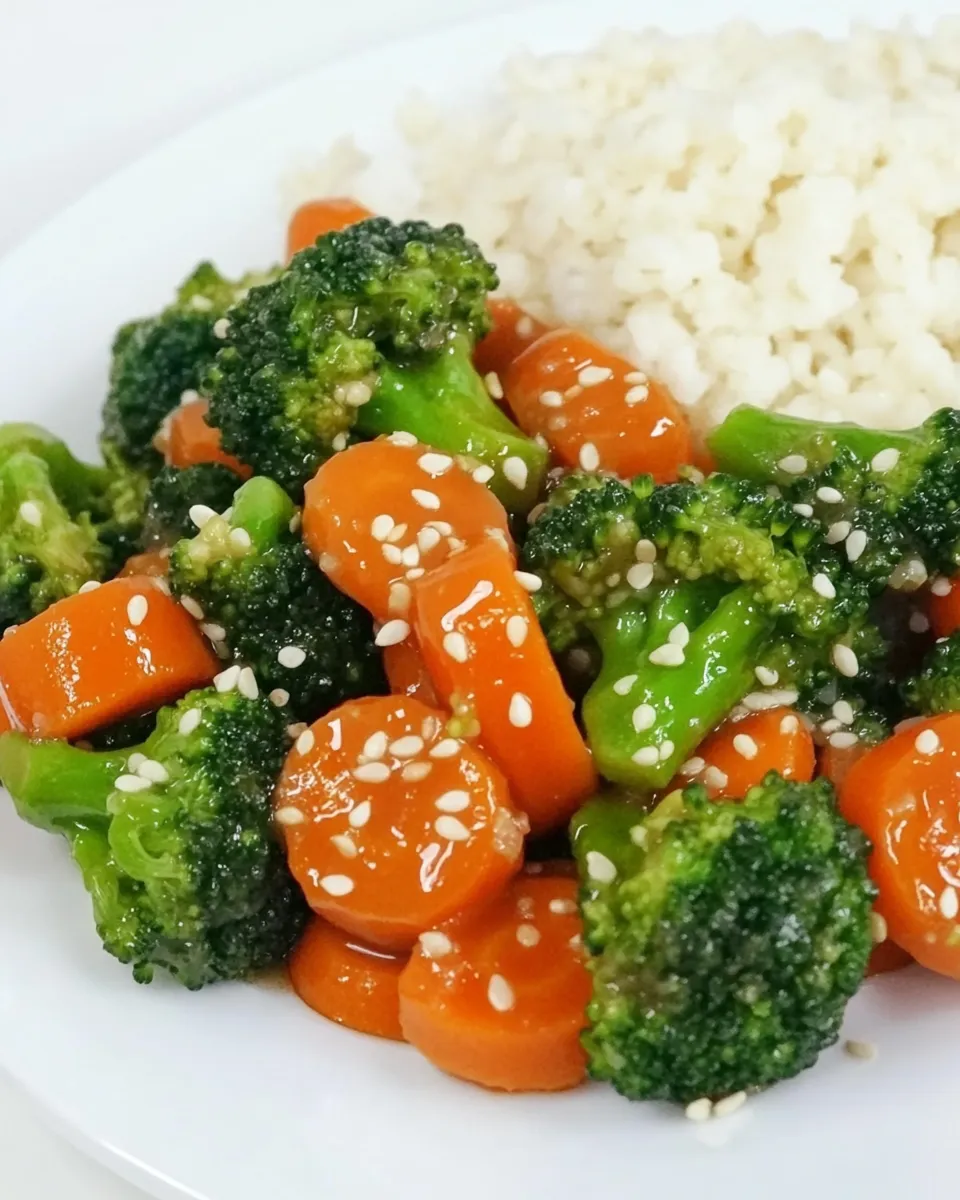
Teriyaki Broccoli and Carrots (Easy!)
Ingredients
Equipment
Method
- Start by washing the broccoli florets thoroughly under cold water. Trim any tough stems and cut them into bite-sized pieces. Peel the carrots and slice them thinly on a diagonal.
- In a bowl, combine the tamari (or soy sauce), maple syrup (or brown sugar), vegetable broth (or water), rice vinegar, minced garlic, and freshly grated ginger. Whisk until well combined.
- Heat your large skillet or wok over medium-high heat. Add a splash of water or a drizzle of oil, then toss in the broccoli and carrots. Sauté for about 5-7 minutes, or until the vegetables are tender but still crisp.
- Pour the teriyaki sauce over the sautéed veggies, stirring to coat evenly. Bring the mixture to a gentle simmer.
- Add the cornstarch mixture to the skillet, stirring continuously. Cook for another 1-2 minutes, until the sauce thickens and becomes glossy.
- Remove from heat and serve the teriyaki broccoli and carrots over cooked rice or quinoa. Garnish with sesame seeds.
Notes
- Store leftovers in an airtight container in the refrigerator for up to 3 days.
- Reheat on the stovetop or in the microwave until heated through.
- If the sauce thickens too much, add a splash of water when reheating.