Stir-Fry Sauce Recipe
When it comes to quick and delicious meals, stir-fries are a go-to for many home cooks. The beauty of a stir-fry lies not only in its versatility but also in the vibrant flavors that come together in a matter of minutes. A key player in this culinary dance is the sauce, and today, I’m excited to share a simple yet flavorful Stir-Fry Sauce Recipe that is bound to elevate your weeknight dinners. With just a handful of ingredients, this sauce will quickly become your favorite secret weapon in the kitchen.
Why It Deserves a Spot
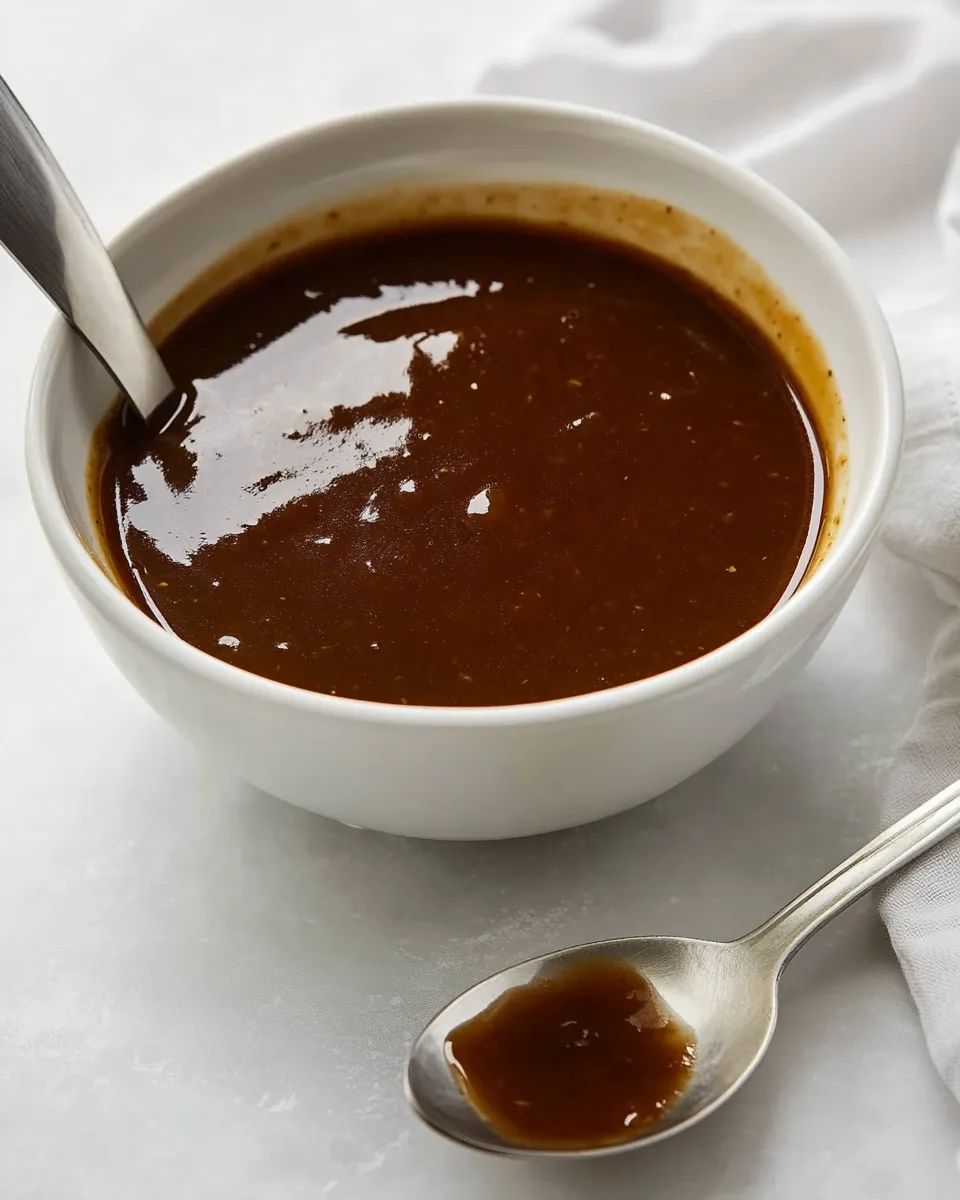
A great stir-fry sauce can transform a medley of vegetables, proteins, and grains into a harmonious dish that delights the taste buds. This recipe features a balance of salty, sweet, and savory flavors, making it a perfect companion for any stir-fry dish. Plus, it’s incredibly quick to whip up and can be easily adjusted to suit your personal taste preferences. Whether you’re a seasoned chef or a kitchen novice, this Stir-Fry Sauce Recipe deserves a spot in your cooking repertoire.
What Goes Into Stir-Fry Sauce Recipe
Creating this delicious sauce is straightforward, and you likely have most of the ingredients in your pantry. Here’s what you’ll need:
- 1/2 cup low-sodium soy sauce: Provides the salty base that enhances the overall flavor.
- 1/3 cup water: Helps to dilute the sauce for a perfect consistency.
- 1 tablespoon cornstarch: Acts as a thickening agent, giving the sauce a luscious texture.
- 2 tablespoons brown sugar: Adds a hint of sweetness that balances the saltiness of the soy sauce.
- 1 tablespoon minced garlic: Infuses the sauce with a rich, aromatic flavor.
- 1 tablespoon minced ginger: Contributes warmth and zest to the mix.
- 1 teaspoon sesame oil: Offers a nutty aroma and flavor that elevates the sauce.
- 2 teaspoons rice vinegar: Provides a subtle acidity that brightens the overall taste.
Hardware & Gadgets
Before you dive into making your Stir-Fry Sauce Recipe, gather the necessary tools. Here’s what you’ll need:
- Measuring cups and spoons: For accurate measurements of each ingredient.
- Small bowl or mixing jar: To whisk the ingredients together.
- Whisk or fork: For combining the ingredients smoothly.
- Storage container: To keep any leftover sauce fresh for later use.
From Start to Finish: Stir-Fry Sauce Recipe
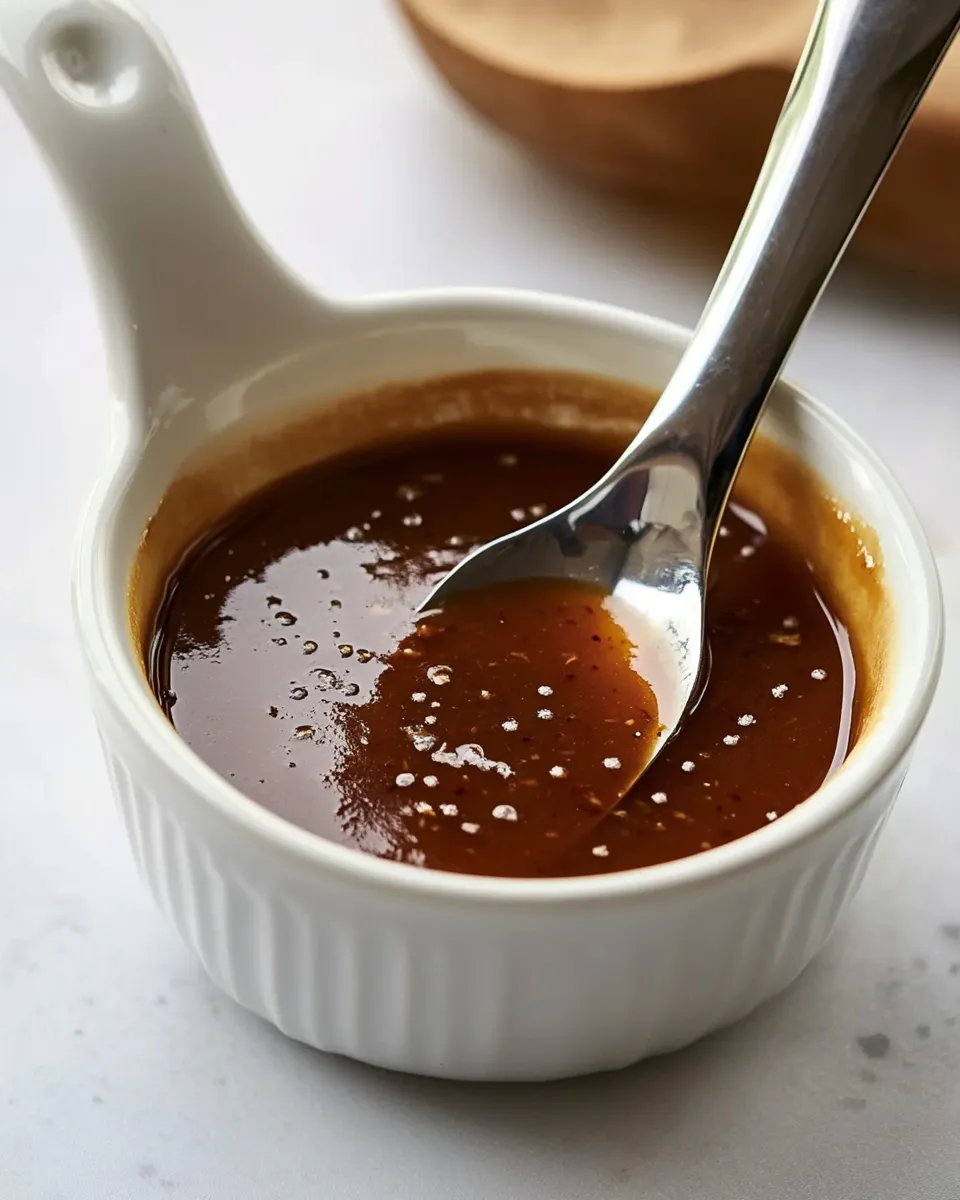
Now that you have your ingredients and tools ready, let’s walk through the steps to create your own Stir-Fry Sauce Recipe.
Step 1: Gather Ingredients
Start by assembling all your ingredients on the countertop for easy access.
Step 2: Combine the Dry Ingredients
In a small bowl, whisk together the cornstarch and brown sugar. This will help prevent clumping when you add the liquids.
Step 3: Add the Wet Ingredients
Pour in the low-sodium soy sauce, water, minced garlic, minced ginger, sesame oil, and rice vinegar into the bowl with the dry ingredients.
Step 4: Whisk Until Smooth
Using a whisk or fork, mix everything together until the cornstarch is fully dissolved and the mixture is smooth. This is the base of your Stir-Fry Sauce Recipe.
Step 5: Taste and Adjust
Take a small taste of the sauce. If you’d like it sweeter, add a bit more brown sugar. For more acidity, a splash more of rice vinegar can do the trick.
Step 6: Use or Store
You can use the sauce immediately in your stir-fry or store it in an airtight container in the refrigerator for up to a week. Just give it a quick stir before using, as it may separate over time.
Seasonal Twists
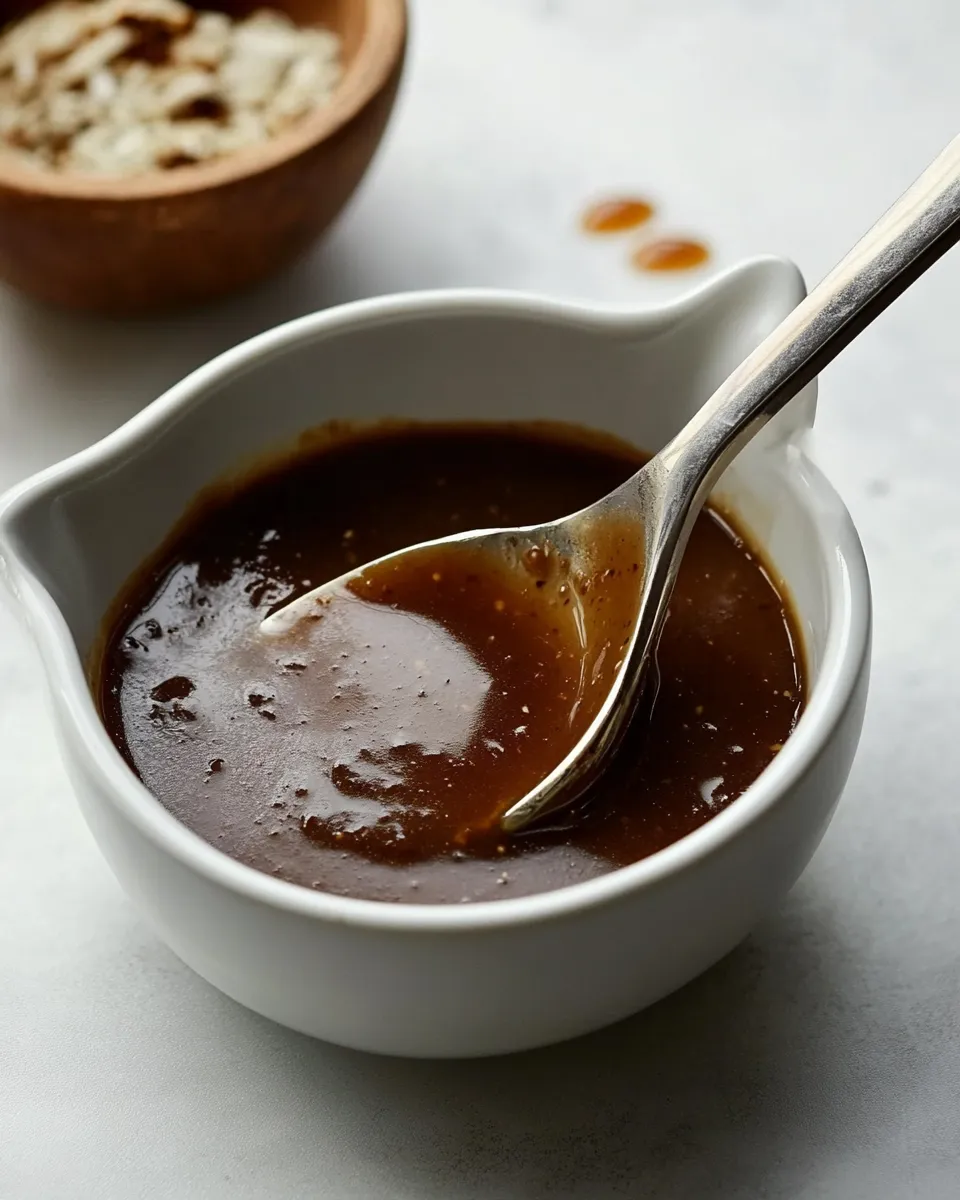
One of the best things about stir-fry sauce is its adaptability. Here are some seasonal twists to keep the flavors exciting:
- Spring: Add fresh herbs like cilantro or basil for a bright, aromatic touch.
- Summer: Incorporate zesty citrus juices such as lime or orange for a refreshing twist.
- Fall: Mix in pumpkin puree for a creamy texture and a hint of autumn flavor.
- Winter: Experiment with a dash of five-spice powder for a warm, comforting profile.
Pro Tips & Notes
- For a gluten-free version, substitute low-sodium soy sauce with tamari or coconut aminos.
- Feel free to play around with different sweeteners like honey or maple syrup instead of brown sugar.
- If you prefer a spicy kick, a teaspoon of red pepper flakes or a dash of hot sauce can be a fantastic addition.
- This sauce works well not only for stir-fries but also as a marinade for meats or tofu.
Store, Freeze & Reheat
To store your Stir-Fry Sauce Recipe, keep it in an airtight container in the refrigerator for up to one week. If you want to make a larger batch, this sauce freezes beautifully. Just pour it into ice cube trays, freeze, and then transfer the cubes to a freezer bag. When you’re ready to use it, simply thaw the desired amount in the refrigerator or microwave. Reheat gently on the stovetop before adding it to your stir-fry.
Quick Questions
Can I use regular soy sauce instead of low-sodium?
Yes, but be cautious with the amount you use, as regular soy sauce is much saltier. You may want to reduce the amount slightly to avoid overpowering your dish.
Is there a substitute for cornstarch?
Yes! You can use arrowroot powder or all-purpose flour as a thickening agent, but the texture may vary slightly.
Can I make this sauce ahead of time?
Absolutely! This sauce keeps well in the fridge for a week, and it can even be frozen for longer storage.
What’s the best way to use this sauce?
This sauce is perfect for stir-frying vegetables, chicken, beef, or tofu. Simply cook your protein and veggies, then pour the sauce over and cook until thickened. Serve it over rice or noodles for a complete meal!
Ready, Set, Cook
Now that you have your Stir-Fry Sauce Recipe in hand, it’s time to get cooking! Whether you’re experimenting with different ingredients or sticking to a classic combination, this sauce will enhance your stir-fries and make your meals more exciting. So grab your wok, toss in your favorite veggies and protein, and let the flavors come alive.
With just a few simple ingredients, you can create a delicious sauce that brings everything together, creating a dish that is not only satisfying but also bursting with flavor. Happy cooking!
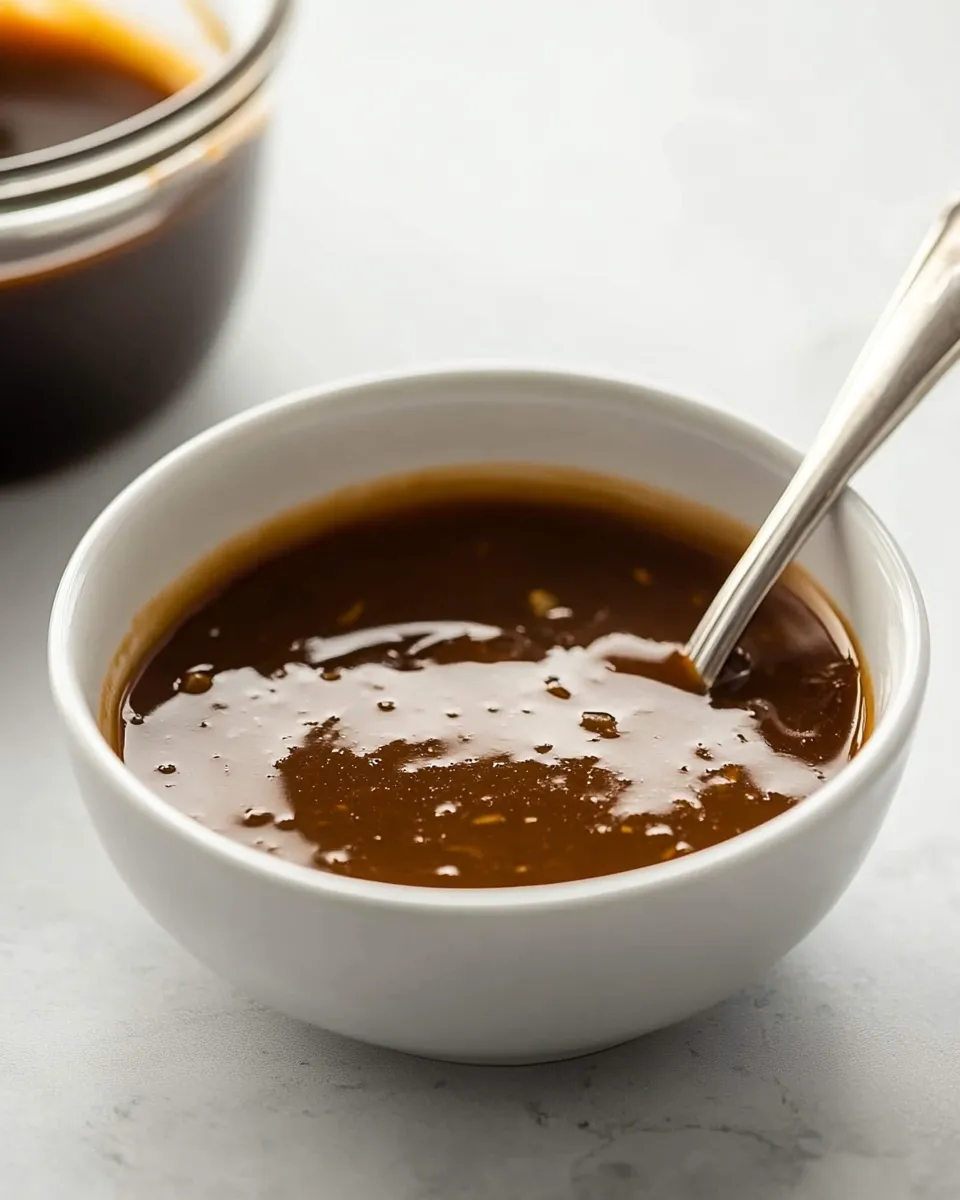
Stir-Fry Sauce Recipe
Ingredients
Equipment
Method
- Gather all your ingredients on the countertop for easy access.
- In a small bowl, whisk together the cornstarch and brown sugar to prevent clumping.
- Pour in the low-sodium soy sauce, water, minced garlic, minced ginger, sesame oil, and rice vinegar into the bowl with the dry ingredients.
- Using a whisk or fork, mix everything together until smooth and the cornstarch is fully dissolved.
- Taste the sauce and adjust sweetness or acidity as desired.
- You can use the sauce immediately or store it in an airtight container in the refrigerator for up to a week.
Notes
- For a gluten-free version, use tamari or coconut aminos instead of soy sauce.
- Experiment with sweeteners like honey or maple syrup instead of brown sugar.
- Add red pepper flakes for a spicy kick.
- This sauce doubles as a marinade for meats or tofu.