Malasada Recipe
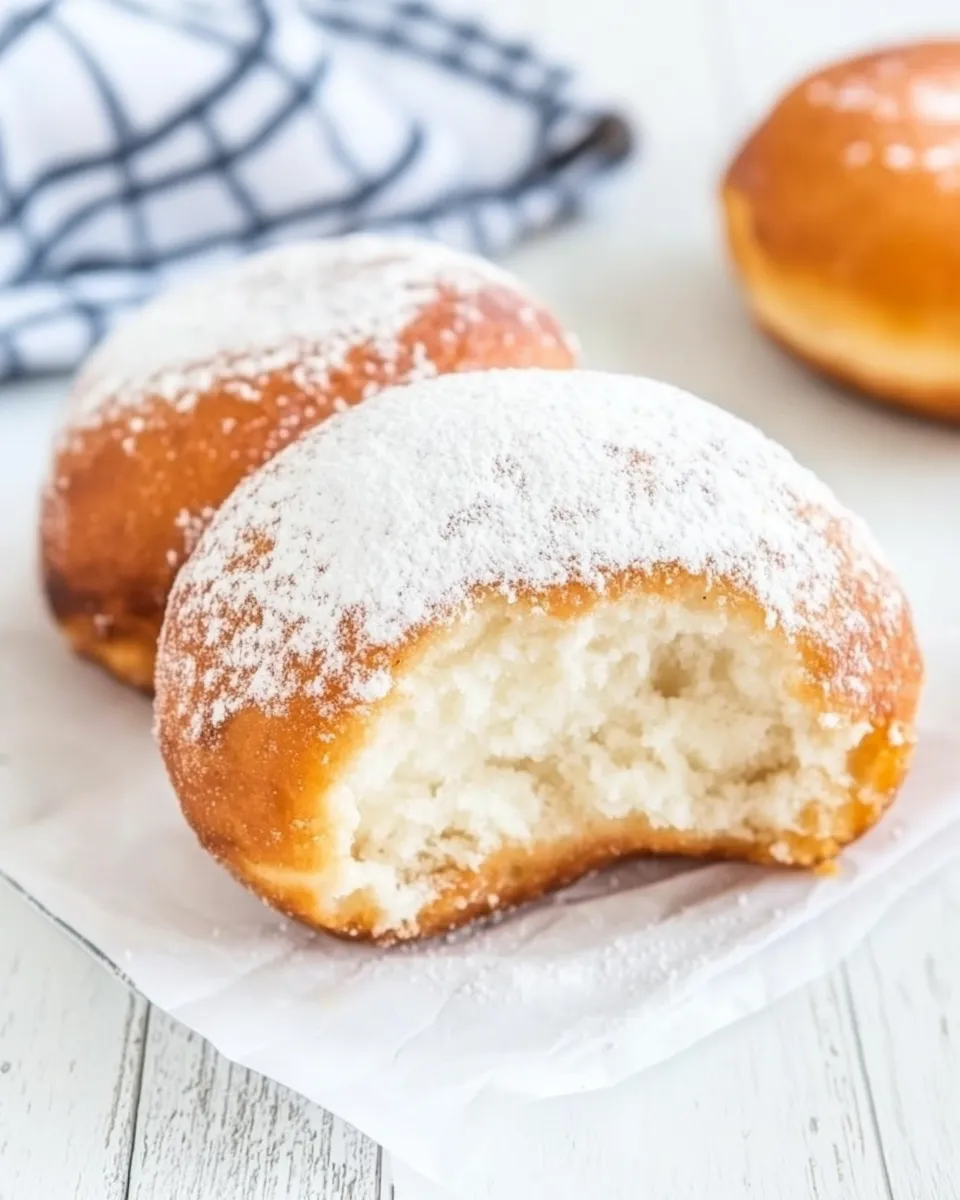
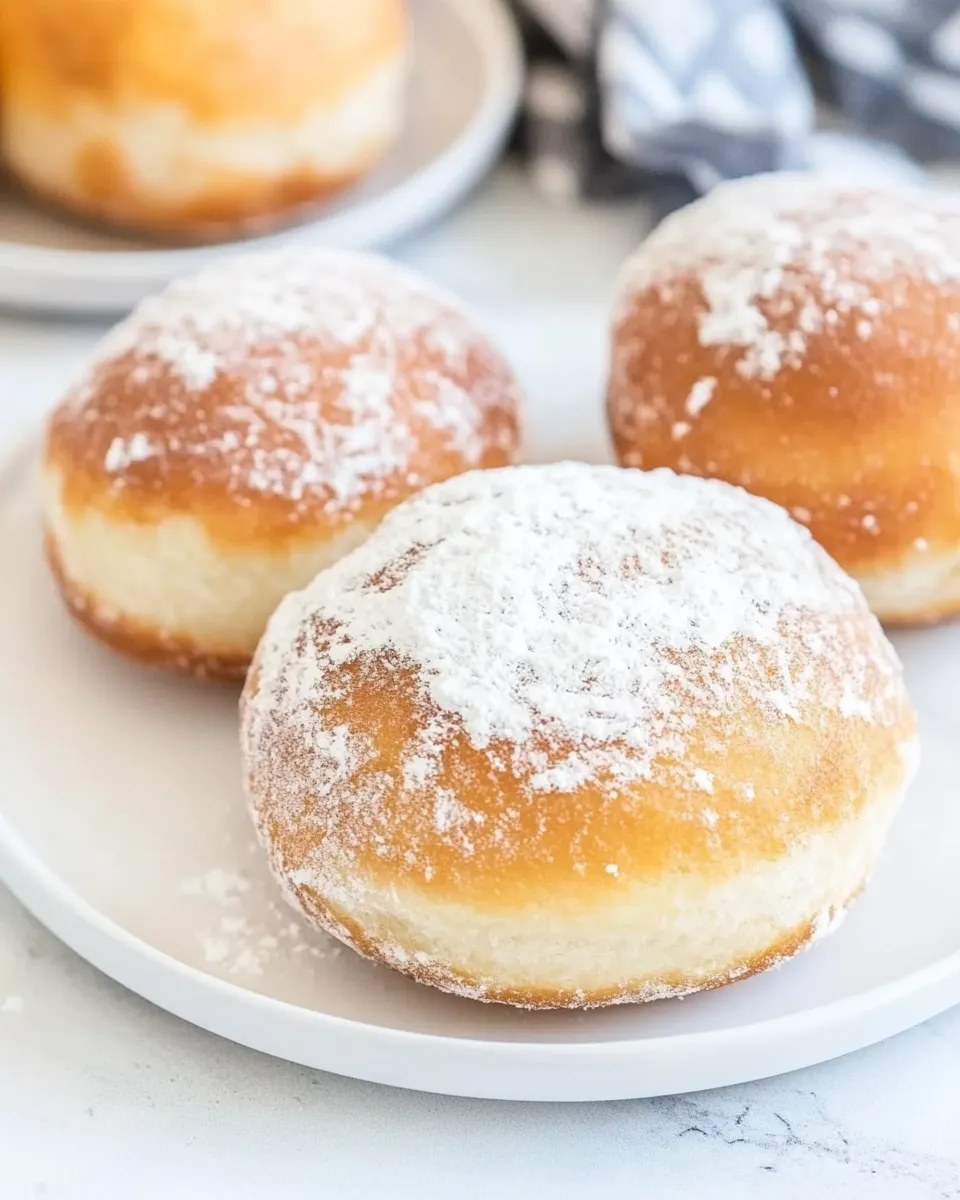
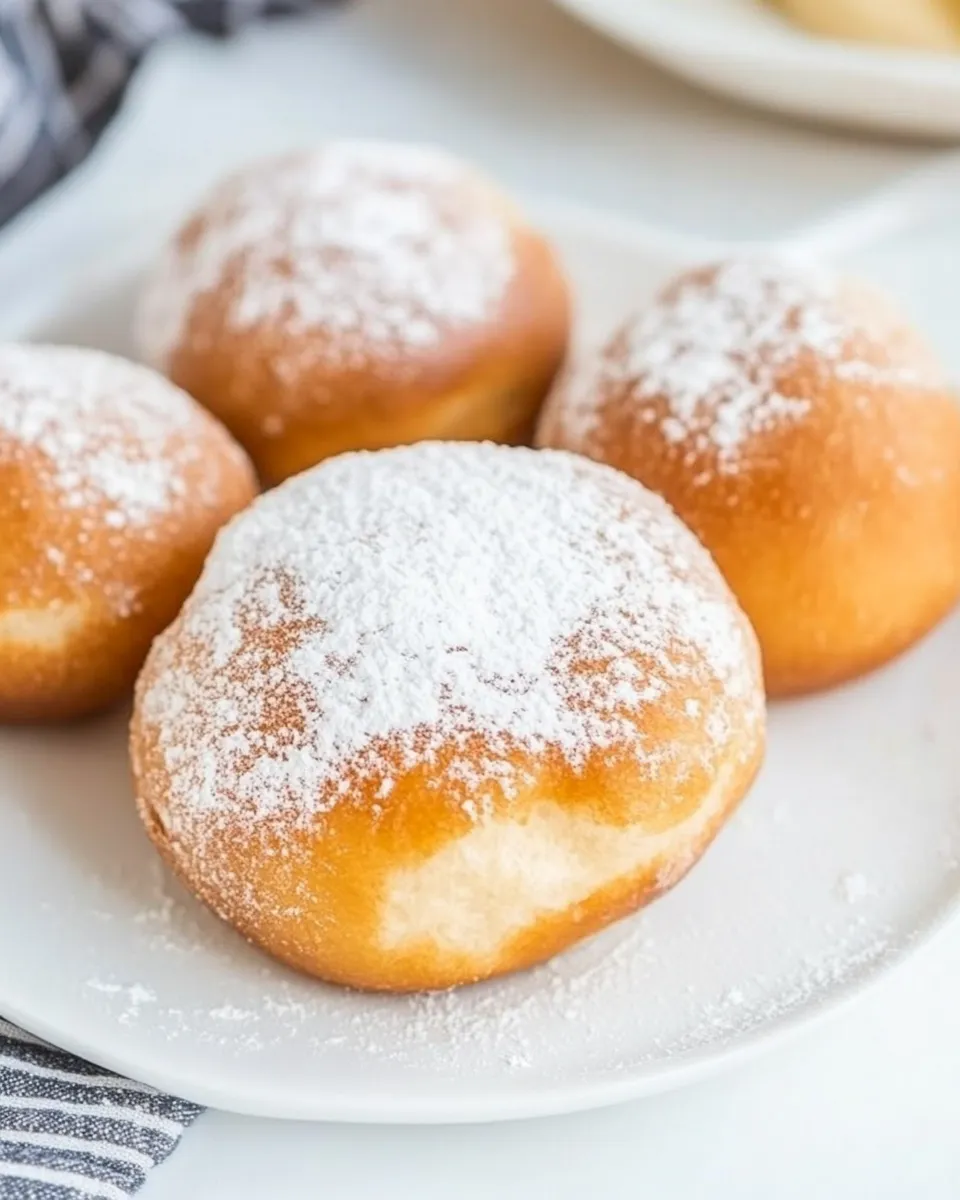
If you’ve ever found yourself dreaming of pillowy, sweet, and slightly crispy doughnuts, then you must try making malasadas at home. Originating from Portugal and widely enjoyed in Hawaii, these delightful treats are deep-fried and coated in sugar, making them an irresistible indulgence. The texture is soft and airy, while the flavor is sweet and comforting. Whether you enjoy them plain, filled, or dusted with cinnamon sugar, this malasada recipe will transport you to a tropical paradise with every bite.
Why This Recipe Belongs in Your Rotation
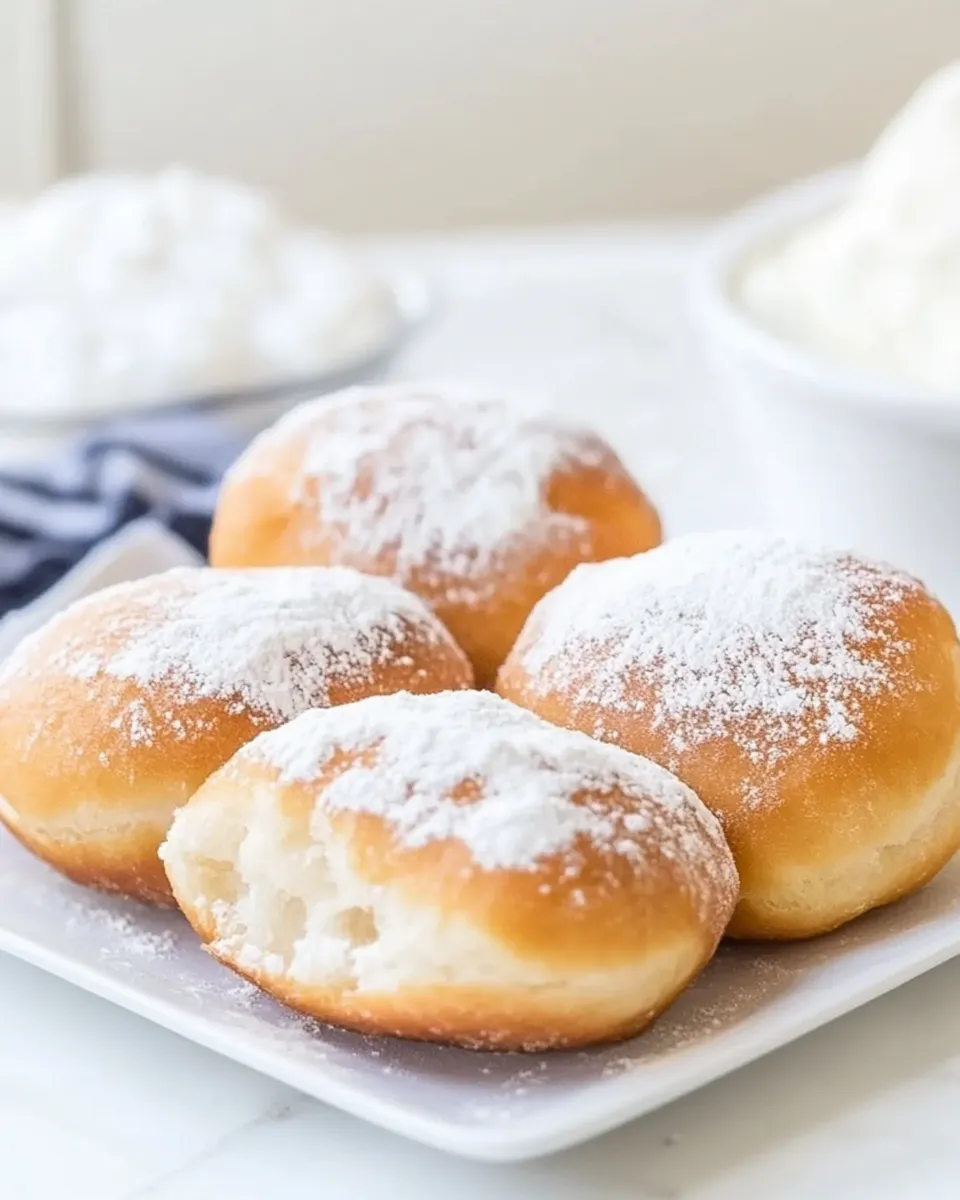
This malasada recipe is not just about creating a delicious dessert but also about embracing a culinary journey. The joy of making these treats is amplified by the delightful aroma that fills your kitchen as they fry. They’re perfect for any occasion—whether it’s a weekend brunch, a festive gathering, or simply to satisfy a sweet tooth. Plus, they’re versatile enough to serve as a breakfast option or a delicious dessert. Once you take your first bite, you’ll understand why this recipe deserves a spot in your regular baking rotation.
Ingredient Notes
- 1 tablespoon active dry yeast: This will help your dough rise, creating that airy texture we all love.
- 1 teaspoon granulated sugar: A small amount of sugar to activate the yeast.
- 2 tablespoons water: Warm water to help dissolve the yeast.
- 3 eggs: Essential for richness and structure in the dough.
- 1 cup milk: Adds creaminess and moisture to the dough.
- 1 cup evaporated milk: For an extra creaminess and a subtle sweetness.
- 1 cup granulated sugar: Sweetness that enhances the flavor of the malasadas.
- 2 tablespoons unsalted butter, melted: Adds flavor and tenderness to the dough.
- 1 teaspoon salt: Balances the sweetness and enhances the flavor.
- 4 cups bread flour: The high protein content provides the right gluten structure for a chewy texture.
- Oil for frying: Use a neutral oil like vegetable or canola oil for frying.
- 2 cups sugar: For rolling the fried malasadas to give them that sugary finish.
Prep & Cook Tools
- Mixing bowls: For combining your ingredients.
- Whisk: To incorporate your wet and dry ingredients smoothly.
- Measuring cups and spoons: Precision is key in baking!
- Frying pan or deep fryer: For frying the malasadas to golden perfection.
- Slotted spoon: To remove the malasadas from the hot oil safely.
- Cooling rack: To let the malasadas cool and drain excess oil.
Malasada Recipe: How It’s Done
Step 1: Activate the Yeast
In a small bowl, mix the warm water with the granulated sugar and sprinkle the active dry yeast on top. Allow it to sit for about 5-10 minutes until it becomes frothy.
Step 2: Prepare the Wet Ingredients
In a large mixing bowl, whisk together the eggs, milk, evaporated milk, sugar, melted butter, and salt until well combined.
Step 3: Combine the Mixtures
Once the yeast mixture is frothy, add it to the wet ingredients. Mix well to ensure everything is incorporated.
Step 4: Add the Flour
Gradually add the bread flour to the wet mixture, one cup at a time, stirring with a wooden spoon or spatula until a dough begins to form.
Step 5: Knead the Dough
Transfer the dough to a floured surface and knead it for about 5-7 minutes until it becomes smooth and elastic. If the dough is too sticky, add a little more flour as needed.
Step 6: Let It Rise
Place the kneaded dough in a greased bowl, cover it with a clean kitchen towel, and let it rise in a warm place for about 1-2 hours, or until it has doubled in size.
Step 7: Shape the Malasadas
Once the dough has risen, punch it down to release the air. Roll it out to about ½ inch thick and cut out circles using a round cutter or a glass. Place the cut malasadas on a floured surface and cover them with a towel. Let them rise again for about 30 minutes.
Step 8: Heat the Oil
In a large pan or deep fryer, heat the oil to 350°F (175°C). Use enough oil to fully submerge the malasadas when frying.
Step 9: Fry the Malasadas
Carefully place a few malasadas in the hot oil, being careful not to overcrowd the pan. Fry them for about 2-3 minutes on each side until they are golden brown. Use a slotted spoon to remove them and place them on a cooling rack.
Step 10: Coat in Sugar
While the malasadas are still warm, roll them in the 2 cups of sugar until well coated.
Vegan & Vegetarian Swaps
- Eggs: Substitute with flaxseed meal (1 tablespoon flaxseed meal mixed with 2.5 tablespoons water = 1 egg).
- Milk: Use almond milk or oat milk in place of regular milk.
- Evaporated milk: Opt for coconut cream or a vegan evaporated milk alternative.
- Butter: Replace with vegan butter or coconut oil.
Chef’s Rationale
Creating the perfect malasada hinges on understanding the role of each ingredient. The yeast is essential for achieving that light and airy texture, while the combination of milk and evaporated milk enriches the dough, making it irresistibly soft. Kneading the dough develops gluten, which is crucial for structure, allowing the malasadas to puff up beautifully when fried. Additionally, frying them at the right temperature ensures that they cook evenly and develop that perfect golden crust. The final sugar coating not only adds sweetness but also enhances the overall indulgent experience.
Meal Prep & Storage Notes
Malasadas are best enjoyed fresh, but they can be stored in an airtight container at room temperature for up to 2 days. To reheat, simply pop them in the microwave for a few seconds or warm them in an oven. If you’re planning to make them ahead of time, consider frying them and then freezing them. When ready to serve, thaw and reheat in the oven to restore their crispiness. However, keep in mind that the texture may not be quite the same as freshly made.
FAQ
Can I make malasadas without a deep fryer?
Absolutely! A deep frying pan works just as well. Just ensure the oil is deep enough to submerge the malasadas for even cooking.
How do I know when the oil is hot enough for frying?
To test the oil, drop a small piece of dough into the oil. If it sizzles and rises to the surface, the oil is ready. Alternatively, you can use a thermometer to check if it reaches 350°F (175°C).
What if my malasadas don’t rise properly?
Ensure your yeast is fresh and active. If the dough does not rise, it could be due to either expired yeast or the environment being too cold. Try placing the dough in a warmer area to encourage rising.
Can I fill malasadas with cream or custard?
Yes! After frying, allow the malasadas to cool slightly before using a piping bag to fill them with your favorite cream or custard filling for an extra special treat.
The Last Word
Indulging in homemade malasadas is a delightful experience that’s more than just about the food; it’s about creating memories with family and friends. The rich history and cultural significance of these doughnuts make them a cherished treat. By following this malasada recipe, you’re not only baking a delicious dessert but also embracing a beloved tradition. Gather your loved ones, whip up a batch, and savor the joy that comes from sharing these sugary delights. Whether enjoyed plain or filled, each malasada is a little piece of happiness. Happy frying!
Malasada Recipe
Ingredients
Equipment
Method
- In a small bowl, mix the warm water with the granulated sugar and sprinkle the active dry yeast on top. Allow it to sit for about 5-10 minutes until it becomes frothy.
- In a large mixing bowl, whisk together the eggs, milk, evaporated milk, sugar, melted butter, and salt until well combined.
- Once the yeast mixture is frothy, add it to the wet ingredients. Mix well to ensure everything is incorporated.
- Gradually add the bread flour to the wet mixture, one cup at a time, stirring with a wooden spoon or spatula until a dough begins to form.
- Transfer the dough to a floured surface and knead it for about 5-7 minutes until it becomes smooth and elastic. If the dough is too sticky, add a little more flour as needed.
- Place the kneaded dough in a greased bowl, cover it with a clean kitchen towel, and let it rise in a warm place for about 1-2 hours, or until it has doubled in size.
- Once the dough has risen, punch it down to release the air. Roll it out to about ½ inch thick and cut out circles using a round cutter or a glass. Place the cut malasadas on a floured surface and cover them with a towel. Let them rise again for about 30 minutes.
- In a large pan or deep fryer, heat the oil to 350°F (175°C). Use enough oil to fully submerge the malasadas when frying.
- Carefully place a few malasadas in the hot oil, being careful not to overcrowd the pan. Fry them for about 2-3 minutes on each side until they are golden brown. Use a slotted spoon to remove them and place them on a cooling rack.
- While the malasadas are still warm, roll them in the 2 cups of sugar until well coated.
Notes
- Malasadas are best enjoyed fresh, but can be stored in an airtight container for up to 2 days.
- To reheat, microwave for a few seconds or warm in the oven.
- For a special treat, fill malasadas with cream or custard after frying.