Homemade Tahini Recipe
If you’ve ever savored the creamy goodness of tahini in your favorite dishes, you know it’s more than just a condiment—it’s a culinary delight that enhances flavors and adds a nutty richness to everything it touches. Whether you’re drizzling it over roasted vegetables, stirring it into hummus, or using it as a base for dressings, homemade tahini is an essential ingredient that’s surprisingly easy to make. Let’s dive into the world of tahini and discover how to create this versatile paste right in your kitchen.
Why It’s Crowd-Pleasing
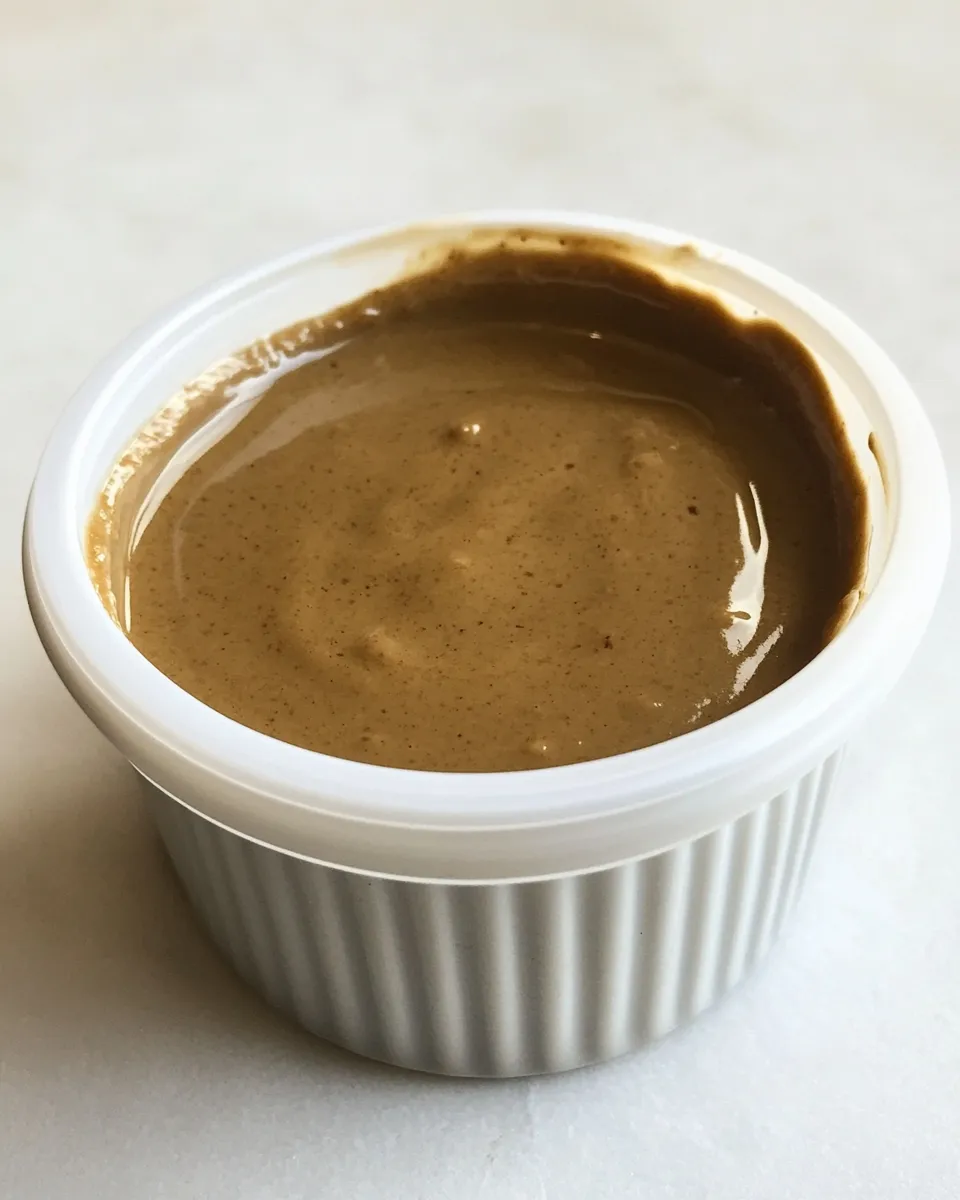
Homemade tahini is a crowd-pleaser for several reasons. First and foremost, it’s incredibly fresh. Store-bought versions can sometimes be dull or overly processed, while homemade tahini bursts with flavor and has a creaminess that store brands often lack. Plus, making your own tahini allows you to control the texture and flavor profile, whether you like it smooth or a bit chunkier. Not to mention, the satisfaction of creating something from scratch is always a winner. You can impress your friends and family with your culinary skills and share the joy of this delightful ingredient.
What We’re Using
To make the best homemade tahini, gather the following ingredients:
- 1 cup sesame seeds (hulled is preferable for a smoother texture)
- 2 to 4 tablespoons neutral flavored oil (grape seed, canola, or olive oil are excellent choices)
- Salt to taste
Each ingredient plays a vital role in achieving that rich, nutty flavor that tahini is known for. The sesame seeds are the star of the show, while the oil helps achieve the desired consistency. A pinch of salt enhances the overall flavor, making every scoop utterly irresistible.
Before You Start: Equipment
Before you embark on your tahini-making journey, ensure you have the following equipment handy:
- High-powered blender or food processor: Essential for achieving a smooth, creamy texture.
- Spatula: Useful for scraping down the sides of your blender or processor.
- Measuring cups: To ensure accurate measurements of your ingredients.
- Storage container: An airtight jar or container for storing your tahini.
With the right tools, your tahini-making process will be smooth and enjoyable!
Homemade Tahini Recipe Cooking Guide
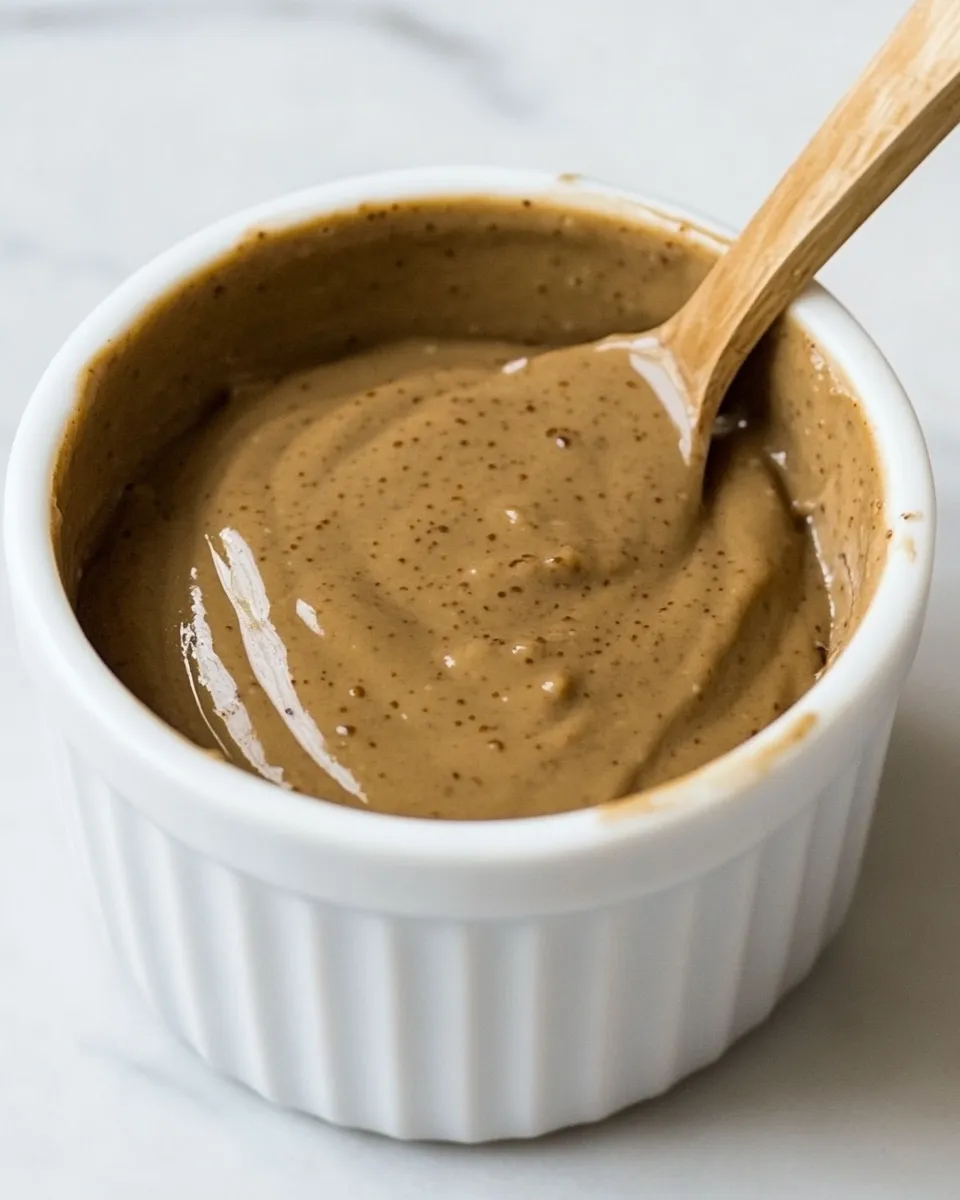
Now, let’s get into the step-by-step guide for creating your own homemade tahini.
Step 1: Toast the Sesame Seeds (Optional)
While you can use raw sesame seeds, toasting them enhances the flavor. Place your sesame seeds in a dry skillet over medium heat. Stir frequently for about 5-7 minutes, or until they turn golden brown and fragrant. Be careful not to burn them!
Step 2: Blend the Sesame Seeds
Transfer the toasted (or raw) sesame seeds to your high-powered blender or food processor. Blend on high speed for about 1-2 minutes, or until the seeds start to break down into a crumbly paste.
Step 3: Add Oil
Scrape down the sides of the blender and add 2 tablespoons of your chosen neutral oil. Blend again, adding more oil if necessary, until the mixture becomes smooth and creamy. This may take an additional 2-3 minutes.
Step 4: Season to Taste
Once your tahini reaches the desired consistency, add salt to taste. Start with a pinch and adjust according to your preference. Blend for a few more seconds to incorporate the salt.
Step 5: Store Your Tahini
Transfer your homemade tahini to a clean, airtight container. Store it in the refrigerator, where it can last for up to a month. You may notice it thickens over time; simply stir in a little oil to bring it back to life!
Swap Guide
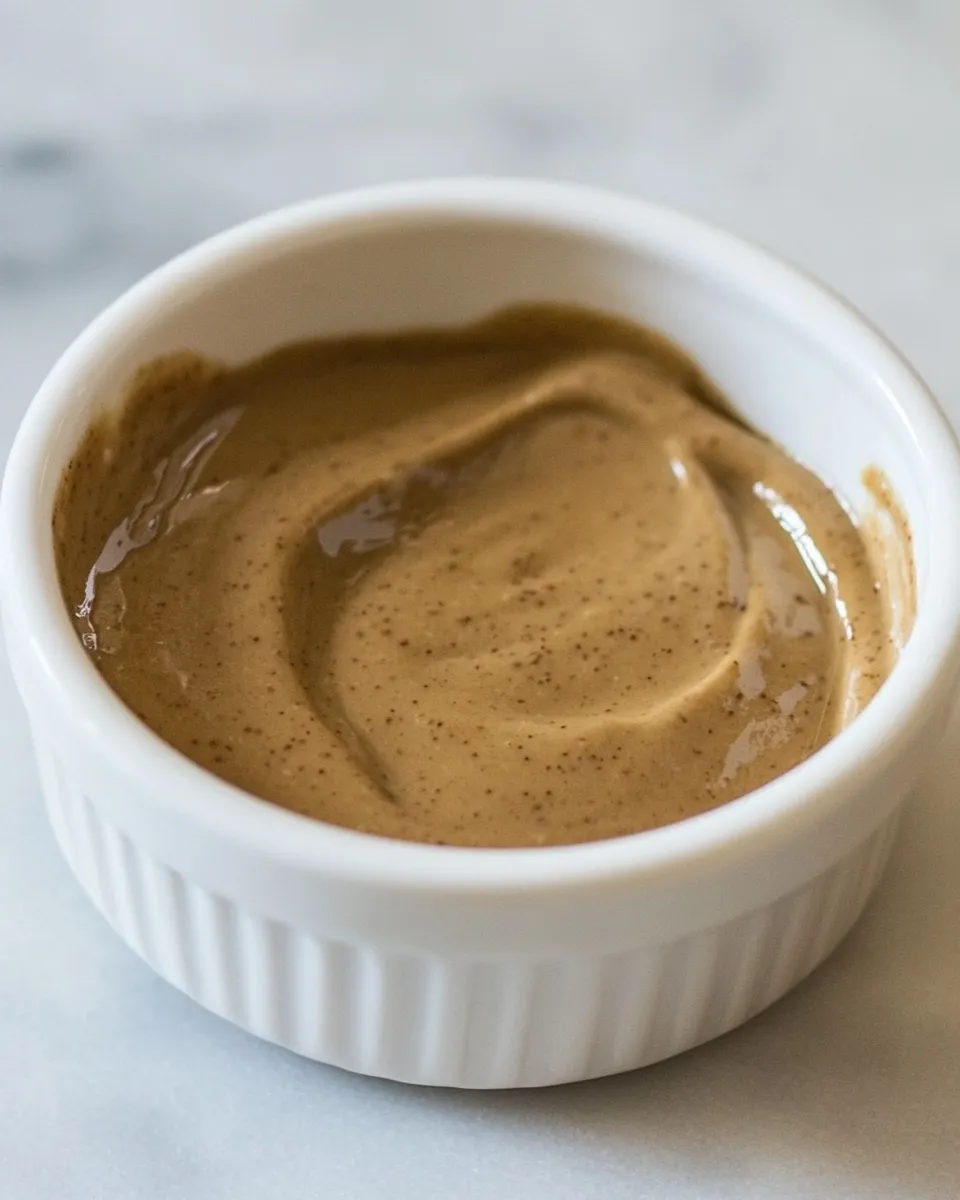
If you’re looking to customize your tahini or work with what you have on hand, here are some easy swaps:
- Oil alternatives: Use sesame oil for a more intense flavor, or olive oil for a Mediterranean twist.
- Salt alternatives: Experiment with flavored salts or even garlic powder for added depth.
- Seed substitutes: Sunflower seeds can be used for a nut-free version, though the flavor will differ.
These swaps can help you create a tahini that fits your taste preferences or dietary restrictions perfectly.
Easy-to-Miss Gotchas
As you embark on your tahini-making adventure, here are some common pitfalls to avoid:
- Don’t rush the blending process. The longer you blend, the creamier the tahini will become.
- Be cautious with toasting. Keep an eye on your seeds to prevent burning—once they start to brown, they can go quickly!
- Adjust oil and seasoning gradually. It’s easier to add than to take away, so start small.
Being aware of these gotchas will ensure your homemade tahini turns out perfect every time!
Refrigerate, Freeze, Reheat
Once you’ve made your tahini, it’s essential to know how to store it properly:
Your homemade tahini can be kept in the refrigerator for up to a month. If you want to extend its shelf life, consider freezing it. Pour the tahini into an ice cube tray for easy portioning and freeze. Once solid, transfer the cubes to a freezer bag. When you need some tahini, simply thaw out a cube or two on the counter or in the refrigerator. There’s no need to reheat tahini; just give it a good stir if it separates!
Troubleshooting Q&A
What if my tahini is too thick?
If your tahini turns out too thick, simply blend in a little more oil or water until you reach your desired consistency. Start with one teaspoon at a time to avoid making it too runny.
Can I use unhulled sesame seeds?
Yes, you can use unhulled sesame seeds, but keep in mind that they will yield a darker, more bitter tahini. If you enjoy a stronger flavor, feel free to experiment with unhulled seeds.
Why is my tahini grainy?
A grainy texture typically results from insufficient blending. Make sure to blend for a longer period and scrape down the sides regularly to ensure all seeds are incorporated.
How can I use tahini in recipes?
Tahini is incredibly versatile! Use it in hummus, salad dressings, sauces, or as a dip for veggies. You can also incorporate it into baked goods for added moisture and flavor. The possibilities are endless!
Final Thoughts
Homemade tahini is not only simple to make, but it also opens up a world of culinary possibilities. With just a few ingredients and a bit of time, you can create a rich, creamy paste that enhances your dishes and adds a unique flavor profile. Whether you’re drizzling it over a salad, mixing it into dips, or using it in desserts, this Homemade Tahini Recipe is sure to become a staple in your kitchen.
So gather your ingredients, fire up that blender, and indulge in the satisfaction of creating your own tahini. You’ll never look at store-bought versions the same way again!
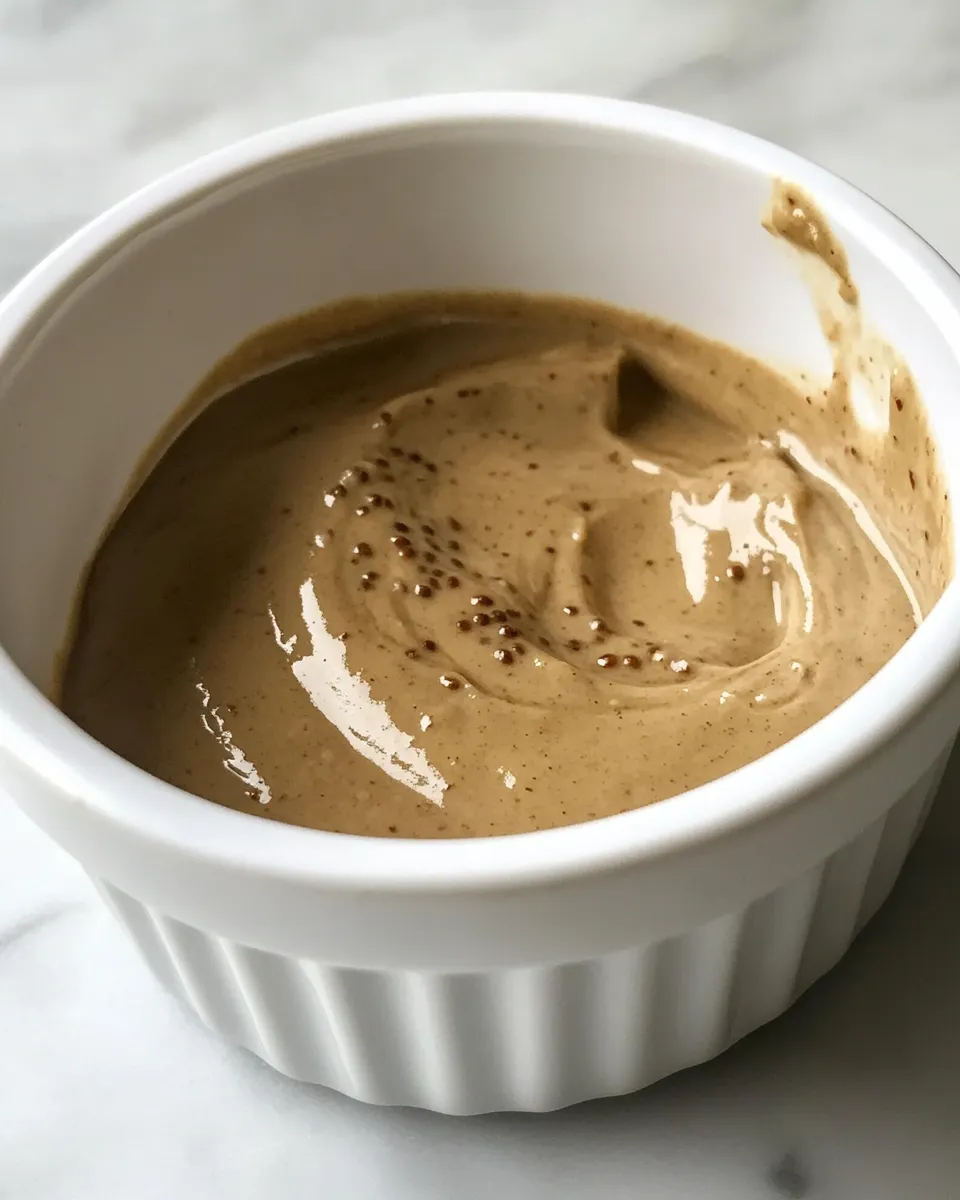
Homemade Tahini Recipe
Ingredients
Equipment
Method
- Step 1: Toast the Sesame Seeds (Optional) - Place your sesame seeds in a dry skillet over medium heat. Stir frequently for about 5-7 minutes, or until they turn golden brown and fragrant. Be careful not to burn them!
- Step 2: Blend the Sesame Seeds - Transfer the toasted (or raw) sesame seeds to your high-powered blender or food processor. Blend on high speed for about 1-2 minutes, or until the seeds start to break down into a crumbly paste.
- Step 3: Add Oil - Scrape down the sides of the blender and add 2 tablespoons of your chosen neutral oil. Blend again, adding more oil if necessary, until the mixture becomes smooth and creamy. This may take an additional 2-3 minutes.
- Step 4: Season to Taste - Once your tahini reaches the desired consistency, add salt to taste. Start with a pinch and adjust according to your preference. Blend for a few more seconds to incorporate the salt.
- Step 5: Store Your Tahini - Transfer your homemade tahini to a clean, airtight container. Store it in the refrigerator, where it can last for up to a month. You may notice it thickens over time; simply stir in a little oil to bring it back to life!
Notes
- Be cautious not to burn the sesame seeds while toasting.
- Adjust oil and seasoning gradually for the best flavor.
- Store tahini in an airtight container to maintain freshness.