
Homemade Egg Noodles
There’s something incredibly comforting about a warm bowl of homemade egg noodles. They are the epitome of cozy cooking, perfect for a hearty soup, a creamy alfredo dish, or simply tossed with butter and herbs. With just a handful of ingredients, you can create this delightful dish from scratch. Homemade egg noodles are not only easy to make, but they also allow you to control the flavor and texture, resulting in a pasta experience that’s far superior to anything from a box. Let’s dive into the world of homemade egg noodles and discover how to make this delicious staple in your kitchen.
Why It’s Crowd-Pleasing
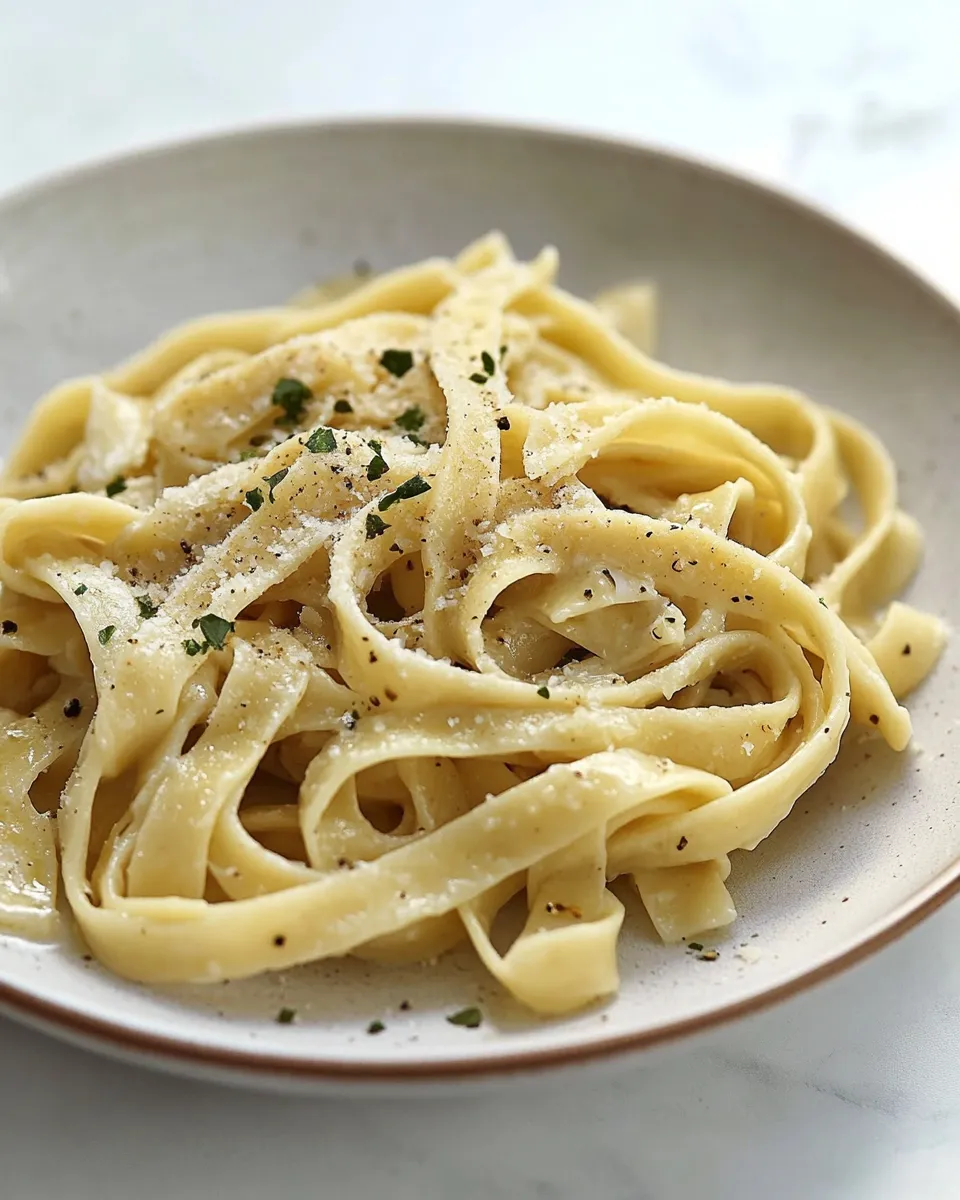
Homemade egg noodles are a culinary delight that can easily impress your family and friends. They have a rich, eggy flavor and a tender texture that elevates any meal. The ability to customize the thickness and width according to your preference makes them versatile for various dishes. Whether you’re serving them in a comforting chicken noodle soup or as a base for a savory stir-fry, these noodles are sure to please everyone at the table. Plus, the process of making them can be a fun activity to share with loved ones, creating lasting memories in the kitchen.
Gather These Ingredients
To make the perfect homemade egg noodles, you’ll need the following ingredients:
- 2 cups all-purpose flour: This is the base for your noodles, providing structure and texture.
- 1 ¾ teaspoons salt: Enhances the flavor of the noodles.
- 3 large egg yolks: Adds richness and color to the dough.
- 1 large egg: Helps bind the ingredients together.
- 5 tablespoons water: Adjusts the dough consistency, making it easier to roll out.
- More water (if needed): For achieving the right dough texture.
Tools & Equipment Needed
Before you begin, gather the following tools:
- Mixing bowl: To combine your ingredients.
- Rolling pin: For rolling out the dough to the desired thickness.
- Sharp knife or pasta cutter: To cut the noodles into your preferred shape.
- Flour for dusting: Keeps the dough from sticking while you roll it out.
- Cooking pot: For boiling your noodles once they are cut.
Homemade Egg Noodles in Steps
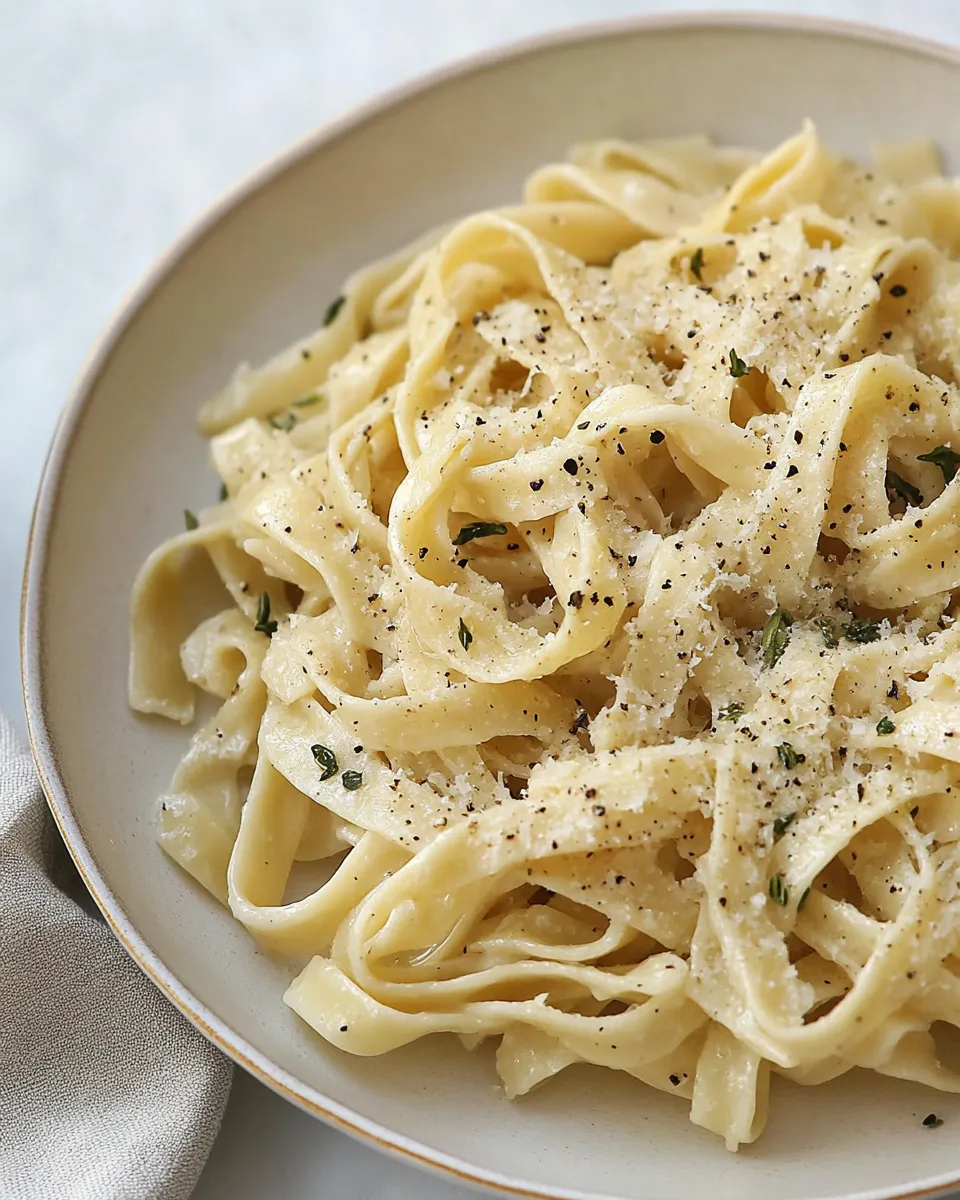
Making homemade egg noodles is a simple and rewarding process. Follow these steps for delicious results:
Step 1: Prepare the Dough
In a large mixing bowl, combine the all-purpose flour and salt. Make a well in the center and add the egg yolks, the whole egg, and 5 tablespoons of water. Using a fork, gently mix the ingredients together until a shaggy dough begins to form.
Step 2: Knead the Dough
Transfer the dough onto a floured surface. Knead the dough for about 5-7 minutes, or until it becomes smooth and elastic. If the dough feels too dry, add a little more water, one teaspoon at a time, until it reaches the right consistency.
Step 3: Rest the Dough
Wrap the kneaded dough in plastic wrap or cover it with a damp cloth. Allow it to rest for at least 30 minutes at room temperature. This resting period allows the gluten to relax, making it easier to roll out.
Step 4: Roll Out the Dough
After resting, divide the dough into two portions. On a floured surface, roll out one portion at a time to your desired thickness, usually about 1/8 inch thick. Dust with flour as needed to prevent sticking.
Step 5: Cut the Noodles
Using a sharp knife or pasta cutter, cut the rolled-out dough into strips. You can create fettuccine-style noodles, or experiment with different widths based on your preference.
Step 6: Boil the Noodles
Bring a large pot of salted water to a boil. Carefully add the cut noodles and cook for 2-4 minutes, depending on the thickness. Taste a noodle to ensure it’s cooked to your liking.
Step 7: Drain and Serve
Once cooked, drain the noodles in a colander. Toss them with a bit of olive oil or butter to prevent sticking, and they’re ready to be served with your favorite sauce or dish!
Low-Carb/Keto Alternatives
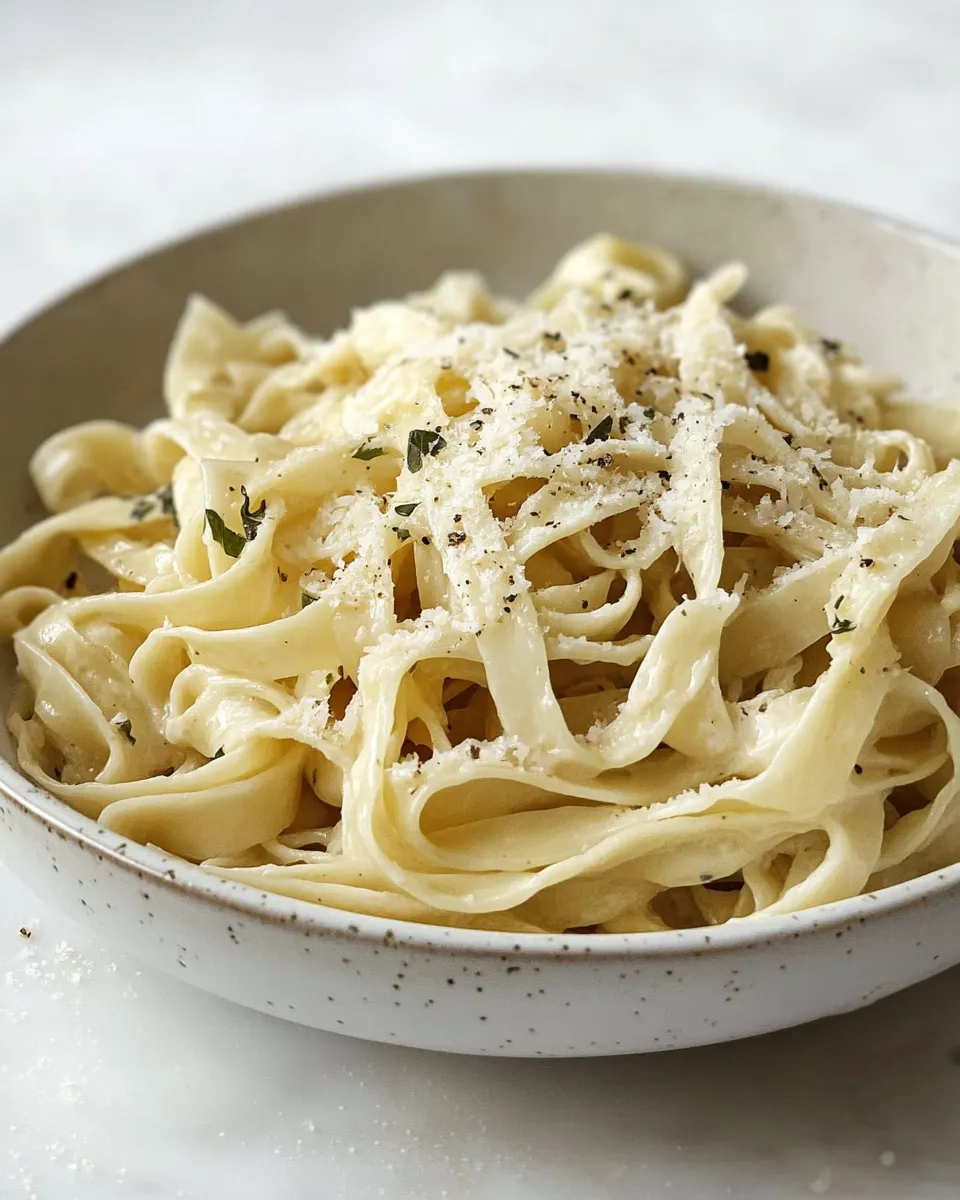
If you’re looking for a low-carb or keto-friendly version of homemade egg noodles, consider these alternatives:
- Almond flour: Substitute all-purpose flour with almond flour for a lower-carb option. Note that the texture may vary.
- Egg-based noodles: Create a dough using only eggs and cheese (like cream cheese) to form a low-carb noodle.
- Shirataki noodles: These are made from konjac yam and are very low in carbs; they can be a great substitute for traditional noodles.
Watch Outs & How to Fix
While making homemade egg noodles is straightforward, there are a few things to be mindful of:
- Dry dough: If the dough is too dry and crumbly, add water a teaspoon at a time until it becomes pliable.
- Sticky dough: If your dough is too sticky, sprinkle more flour onto the surface and knead it in until manageable.
- Overcooked noodles: Keep a close eye on the noodles while boiling; they can become mushy if overcooked.
- Uneven thickness: Use a rolling pin to flatten the dough evenly, and rotate it regularly while rolling to maintain a consistent thickness.
Keep It Fresh: Storage Guide
To ensure your homemade egg noodles stay fresh, follow these guidelines:
- Fresh noodles: Use them immediately or store them in an airtight container in the refrigerator for up to 2 days.
- Dried noodles: Allow the cut noodles to dry for 1-2 hours, then store them in an airtight container or ziplock bag in a cool, dry place for up to 2 weeks.
- Freezing: For longer storage, freeze the uncooked noodles in a single layer on a baking sheet, then transfer to a freezer bag for up to 3 months. Cook from frozen, adding a minute or two to the cooking time.
Quick Questions
Can I use whole wheat flour instead of all-purpose flour?
Yes! Whole wheat flour can be used, but the texture and flavor may differ slightly. You may need to add a bit more water to achieve the right consistency.
How can I make the noodles more flavorful?
Consider adding herbs or spices to the dough, such as garlic powder or Italian seasoning, to enhance the flavor of your homemade egg noodles.
What sauces pair well with homemade egg noodles?
Homemade egg noodles are incredibly versatile! They pair beautifully with creamy sauces like Alfredo, hearty marinara, or simply butter and herbs.
Can I make the dough ahead of time?
Absolutely! You can prepare the dough in advance and store it in the refrigerator for up to 24 hours before rolling and cutting the noodles.
Time to Try It
Now that you have all the details, it’s time to roll up your sleeves and make some homemade egg noodles! The process is simple, and the results are delicious. Whether you’re cooking for a special occasion or just a cozy night in, these noodles are sure to impress. Enjoy the satisfaction of making your own pasta and savor the rich, comforting flavors that only homemade egg noodles can provide. Happy cooking!
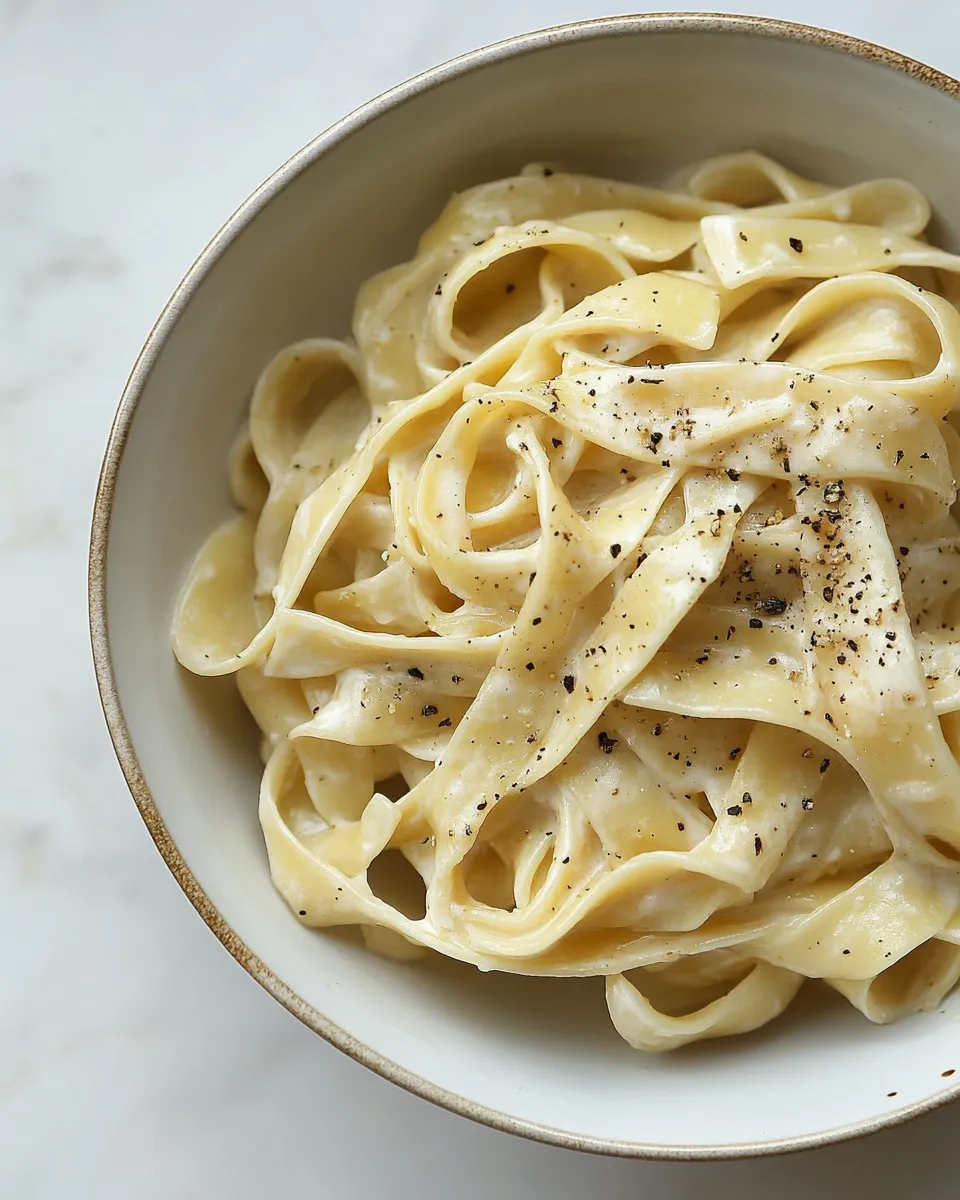
Homemade Egg Noodles
Ingredients
Equipment
Method
- In a large mixing bowl, combine the all-purpose flour and salt. Make a well in the center and add the egg yolks, the whole egg, and 5 tablespoons of water. Using a fork, gently mix the ingredients together until a shaggy dough begins to form.
- Transfer the dough onto a floured surface. Knead the dough for about 5-7 minutes, or until it becomes smooth and elastic. If the dough feels too dry, add a little more water, one teaspoon at a time, until it reaches the right consistency.
- Wrap the kneaded dough in plastic wrap or cover it with a damp cloth. Allow it to rest for at least 30 minutes at room temperature.
- After resting, divide the dough into two portions. On a floured surface, roll out one portion at a time to your desired thickness, usually about 1/8 inch thick.
- Using a sharp knife or pasta cutter, cut the rolled-out dough into strips. You can create fettuccine-style noodles or experiment with different widths.
- Bring a large pot of salted water to a boil. Carefully add the cut noodles and cook for 2-4 minutes, depending on the thickness.
- Once cooked, drain the noodles in a colander. Toss them with a bit of olive oil or butter to prevent sticking, and they’re ready to be served.
Notes
- For a low-carb option, substitute almond flour for all-purpose flour.
- Use herbs or spices in the dough for added flavor.
- Fresh noodles can be stored in the refrigerator for up to 2 days.