Hibachi Chicken and Vegetables
When it comes to a delightful dinner that packs flavor and excitement, Hibachi Chicken and Vegetables is a classic dish that never disappoints. This dish, often found at Japanese steakhouses, brings the experience right into your kitchen. Imagine the sizzle of the grill, the aroma of seasoned chicken, and the vibrant colors of fresh vegetables all mingling together. With this recipe, you can create a Hibachi experience that rivals your favorite restaurant.
Why It Works Every Time
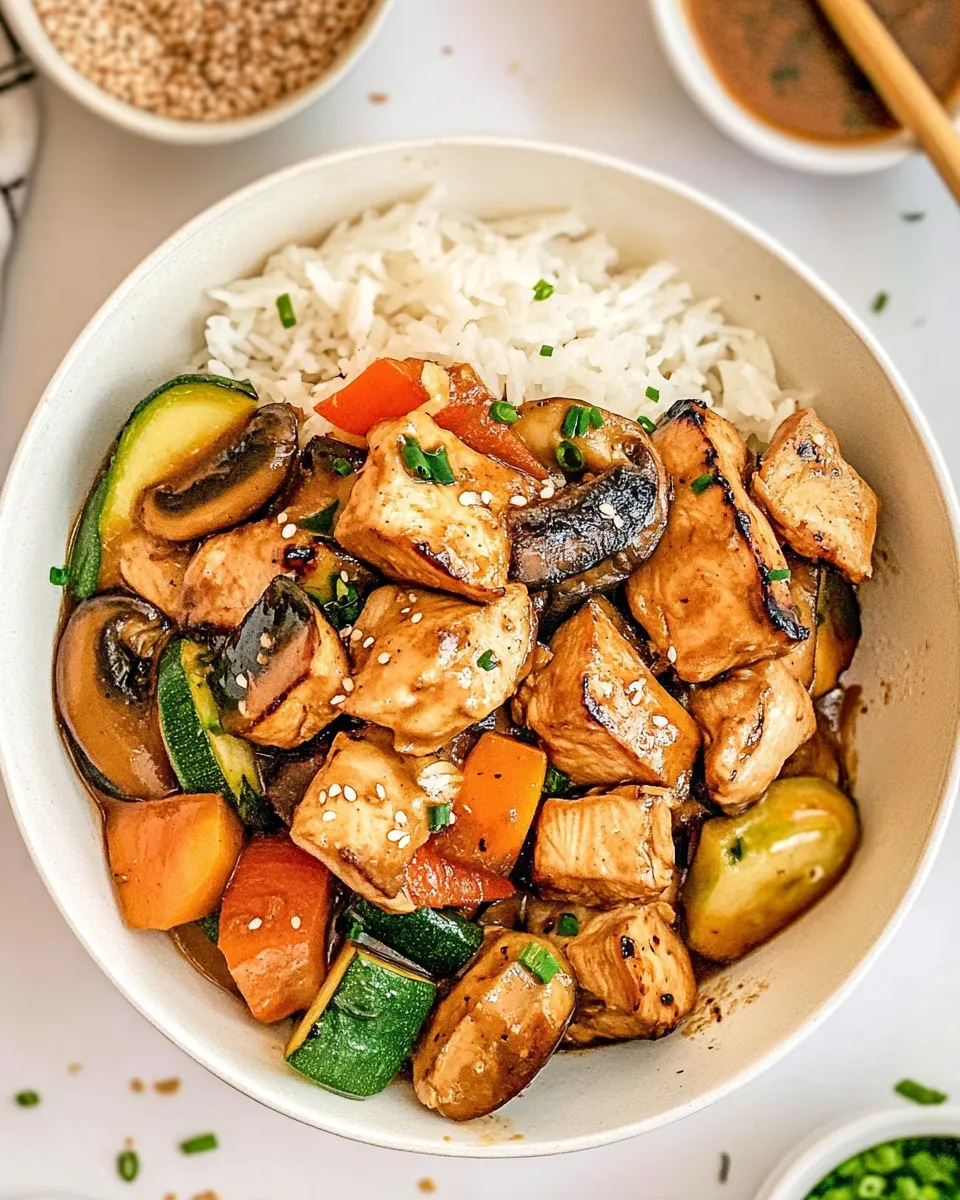
The beauty of Hibachi Chicken and Vegetables lies in its simplicity and adaptability. The marinated chicken, combined with fresh vegetables, creates a balanced meal that’s both healthy and satisfying. The use of canola oil ensures that the chicken sears beautifully, while the soy sauce adds depth to the dish. This recipe is quick to prepare, making it perfect for busy weeknights or a fun weekend dinner. Plus, you can customize the vegetables based on what you have on hand!
What We’re Using
- 1 cup mayonnaise – Adds creaminess and richness to the dish.
- 1 tablespoon rice vinegar – Provides a tangy kick that balances the flavors.
- 1 tablespoon tomato paste – Enhances the umami flavor.
- 1 tablespoon low-sodium soy sauce – Adds savory depth without overpowering the dish.
- 2 tablespoons canola oil (divided) – For cooking and achieving that beautiful sear.
- 1 pound boneless, skinless chicken breasts (cut into bite-sized pieces) – The star protein of our dish.
- 1 tablespoon unsalted butter – Adds richness and enhances the flavor of the vegetables.
- 2 tablespoons low-sodium soy sauce (divided) – Used for marinating and adding flavor during cooking.
- 1 medium yellow onion (cut into large chunks) – Adds sweetness and texture.
- 1 medium zucchini (quartered lengthwise and sliced ½-inch thick) – Provides a lovely crunch and color.
- 1 medium carrot (sliced into thin coins) – Adds sweetness and a vibrant hue.
- 8 ounces small brown mushrooms (quartered) – Brings an earthy flavor to the dish.
- Cooked rice or noodles – The perfect base for your hibachi meal.
- Scallions (sliced) – For garnish and a fresh bite.
- Red pepper flakes – Optional, for a touch of heat.
- Toasted sesame seeds – A finishing touch that adds crunch and flavor.
What’s in the Gear List
- Large skillet or wok – Essential for stir-frying the chicken and vegetables.
- Cutting board – For prepping your ingredients.
- Sharp knife – To cut the chicken and vegetables with ease.
- Measuring cups and spoons – For precise ingredient measurements.
- Spatula or wooden spoon – To stir and toss everything in the pan.
Cook Hibachi Chicken and Vegetables Like This
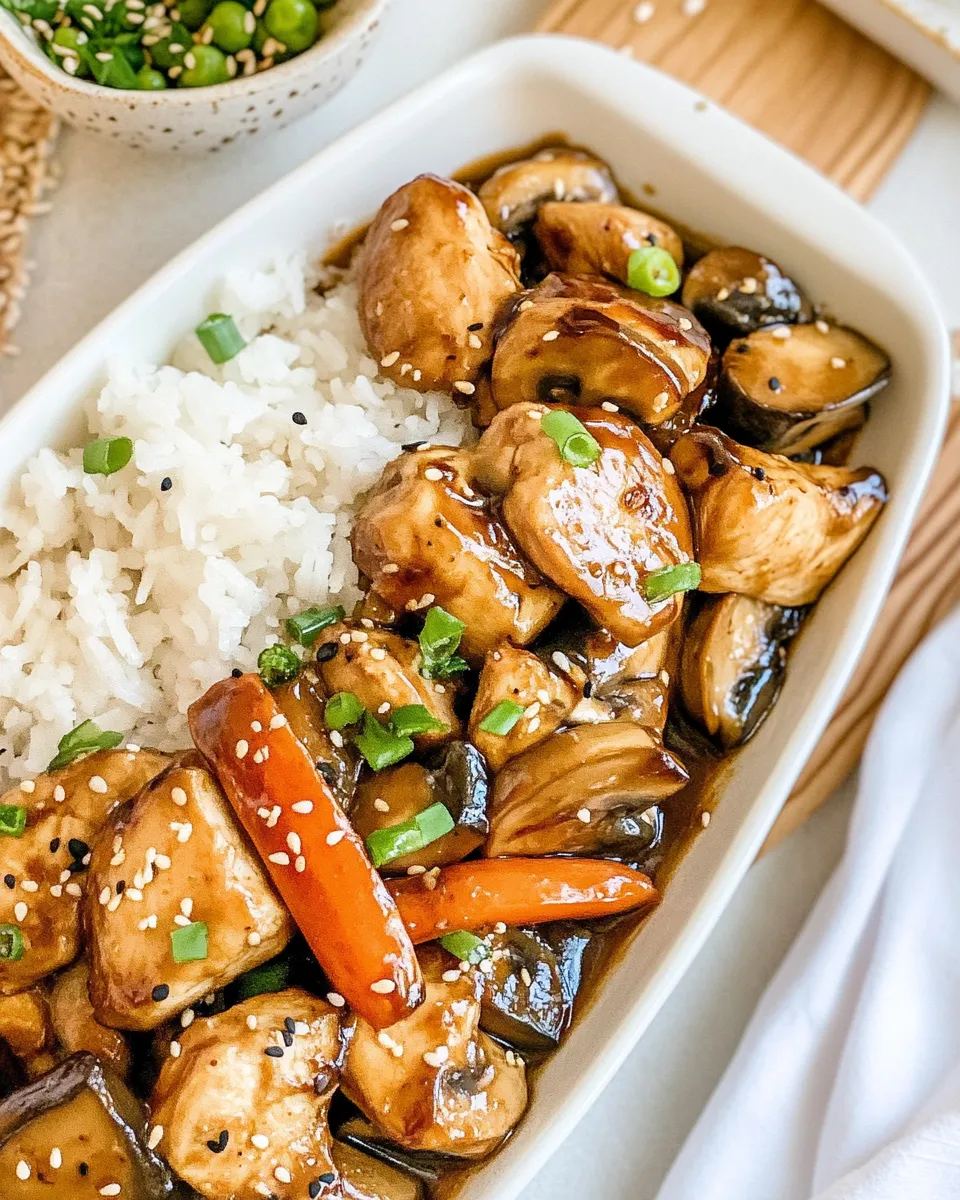
Step 1: Marinate the Chicken
In a medium bowl, combine the mayonnaise, rice vinegar, tomato paste, and 1 tablespoon of low-sodium soy sauce. Mix well until smooth. Add the bite-sized pieces of chicken to the marinade, ensuring each piece is well-coated. Let it marinate for at least 30 minutes, or up to 2 hours in the refrigerator for deeper flavor.
Step 2: Prepare the Vegetables
While the chicken marinates, chop the onion, zucchini, carrot, and mushrooms. Set aside in a bowl, ready to be added to the skillet later.
Step 3: Heat the Skillet
In a large skillet or wok, heat 1 tablespoon of canola oil over medium-high heat. Once hot, add the marinated chicken in a single layer. Cook for about 5-7 minutes, stirring occasionally, until the chicken is golden brown and cooked through. Use a meat thermometer to ensure it reaches an internal temperature of 165°F (75°C).
Step 4: Cook the Vegetables
Remove the cooked chicken from the skillet and set it aside. In the same skillet, add the remaining 1 tablespoon of canola oil and 1 tablespoon of unsalted butter. Once melted, add the onion and sauté for 2 minutes until slightly softened. Then, add the zucchini, carrot, and mushrooms. Stir-fry for an additional 5-6 minutes, or until the vegetables are tender but still crisp.
Step 5: Combine and Season
Return the cooked chicken to the skillet with the vegetables. Pour in the remaining 1 tablespoon of low-sodium soy sauce and toss everything together for a minute or two, allowing the flavors to meld. If you like a bit of heat, sprinkle in some red pepper flakes to taste.
Step 6: Serve It Up
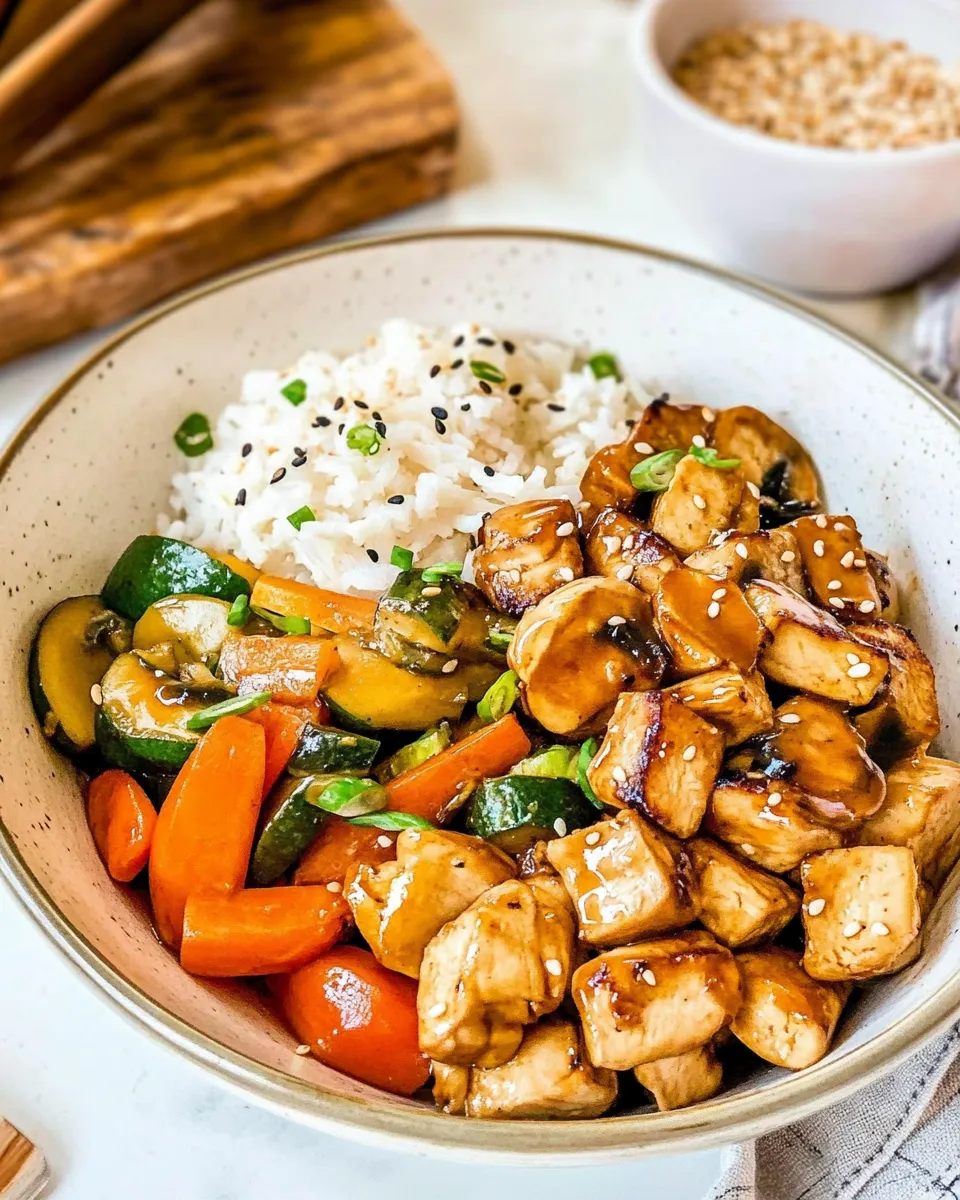
Serve the Hibachi Chicken and Vegetables over a bed of cooked rice or noodles. Garnish with sliced scallions and a sprinkle of toasted sesame seeds for that authentic touch. Enjoy the flavors of your homemade hibachi right at your dining table!
Allergy-Friendly Swaps
- Mayonnaise: Use a dairy-free mayo for a vegan version.
- Canola oil: Substitute with olive oil or avocado oil if preferred.
- Low-sodium soy sauce: Use tamari for a gluten-free option.
- Vegetables: Feel free to swap in any preferred or available vegetables like bell peppers or broccoli.
Steer Clear of These
- Do not overcook the chicken; it can become dry.
- Avoid using high-sodium soy sauce if watching your salt intake.
- Be cautious with the red pepper flakes if you’re not a fan of spice.
Shelf Life & Storage
Hibachi Chicken and Vegetables can be stored in an airtight container in the refrigerator for up to 3 days. For best results, reheat gently on the stovetop or in the microwave. If you want to freeze it, store in a freezer-safe container for up to 2 months. Thaw overnight in the fridge before reheating.
Handy Q&A
Can I use other proteins instead of chicken?
Absolutely! This recipe works well with shrimp, beef, or tofu as alternatives. Just adjust the cooking time accordingly.
What other vegetables can I add?
You can get creative with your veggies! Bell peppers, snap peas, broccoli, and eggplant would all make great additions.
Is this dish spicy?
The dish is not inherently spicy, but you can adjust the heat by adding more or fewer red pepper flakes to suit your taste.
Can I make this recipe in advance?
Yes, you can prepare the chicken and vegetable mixture ahead of time. Just store it separately and combine before serving. It’s perfect for meal prep!
Time to Try It
Now that you have this easy and delicious recipe for Hibachi Chicken and Vegetables, it’s time to gather your ingredients and get cooking. This dish not only brings restaurant-style flair to your dinner table but also allows you to enjoy the process of cooking. With each sizzling moment, you’ll feel like a hibachi chef right in your own home. Enjoy the wonderful flavors, and don’t forget to share your experience with friends and family!
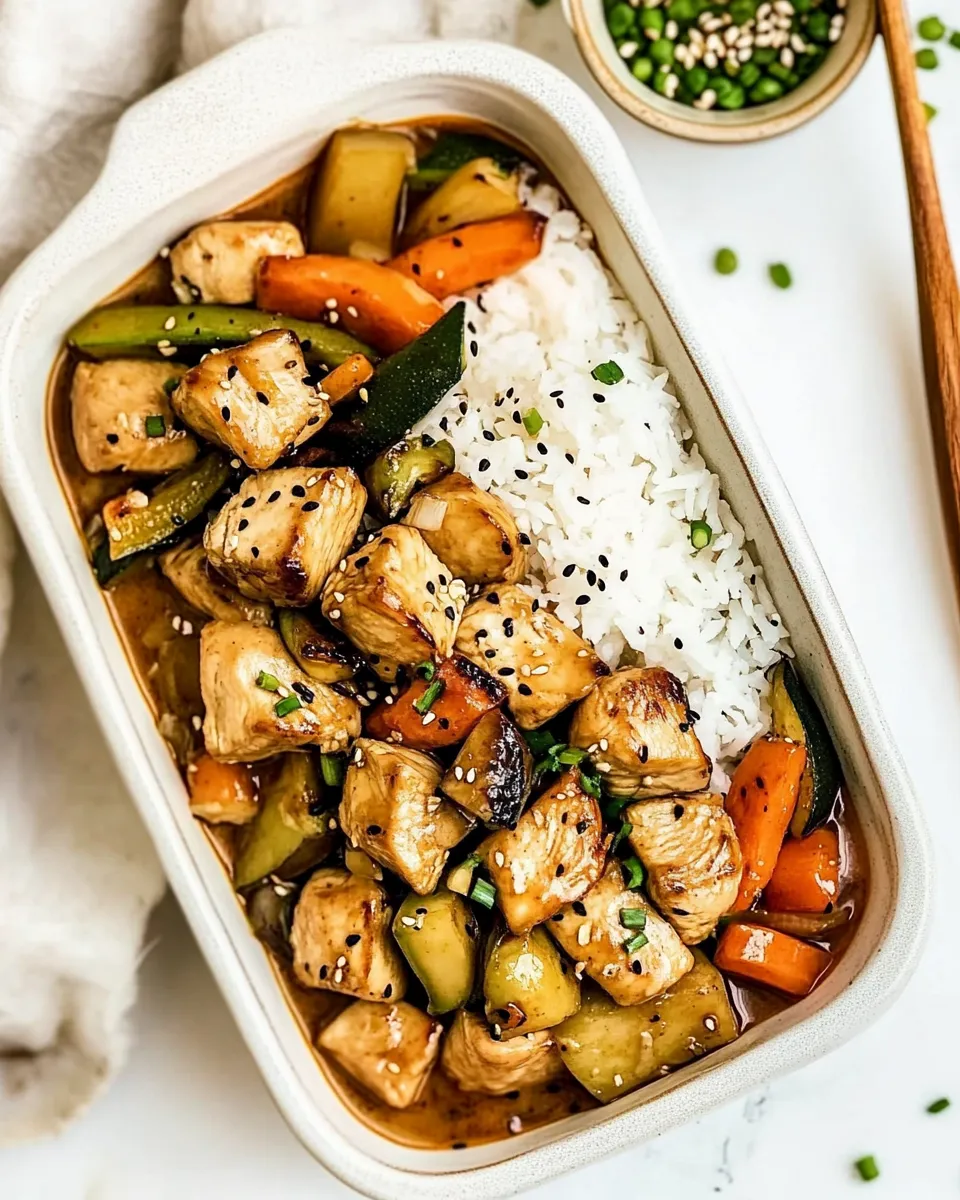
Hibachi Chicken and Vegetables
Ingredients
Equipment
Method
- In a medium bowl, combine the mayonnaise, rice vinegar, tomato paste, and 1 tablespoon of low-sodium soy sauce. Mix well until smooth. Add the bite-sized pieces of chicken to the marinade, ensuring each piece is well-coated. Let it marinate for at least 30 minutes, or up to 2 hours in the refrigerator for deeper flavor.
- While the chicken marinates, chop the onion, zucchini, carrot, and mushrooms. Set aside in a bowl, ready to be added to the skillet later.
- In a large skillet or wok, heat 1 tablespoon of canola oil over medium-high heat. Once hot, add the marinated chicken in a single layer. Cook for about 5-7 minutes, stirring occasionally, until the chicken is golden brown and cooked through. Use a meat thermometer to ensure it reaches an internal temperature of 165°F (75°C).
- Remove the cooked chicken from the skillet and set it aside. In the same skillet, add the remaining 1 tablespoon of canola oil and 1 tablespoon of unsalted butter. Once melted, add the onion and sauté for 2 minutes until slightly softened. Then, add the zucchini, carrot, and mushrooms. Stir-fry for an additional 5-6 minutes, or until the vegetables are tender but still crisp.
- Return the cooked chicken to the skillet with the vegetables. Pour in the remaining 1 tablespoon of low-sodium soy sauce and toss everything together for a minute or two, allowing the flavors to meld. If you like a bit of heat, sprinkle in some red pepper flakes to taste.
- Serve the Hibachi Chicken and Vegetables over a bed of cooked rice or noodles. Garnish with sliced scallions and a sprinkle of toasted sesame seeds for that authentic touch. Enjoy the flavors of your homemade hibachi right at your dining table!
Notes
- For a vegan version, substitute mayonnaise with a dairy-free alternative.
- Feel free to swap canola oil for olive or avocado oil.
- Experiment with different vegetables like bell peppers or snap peas.