Bulgogi Sauce Recipe
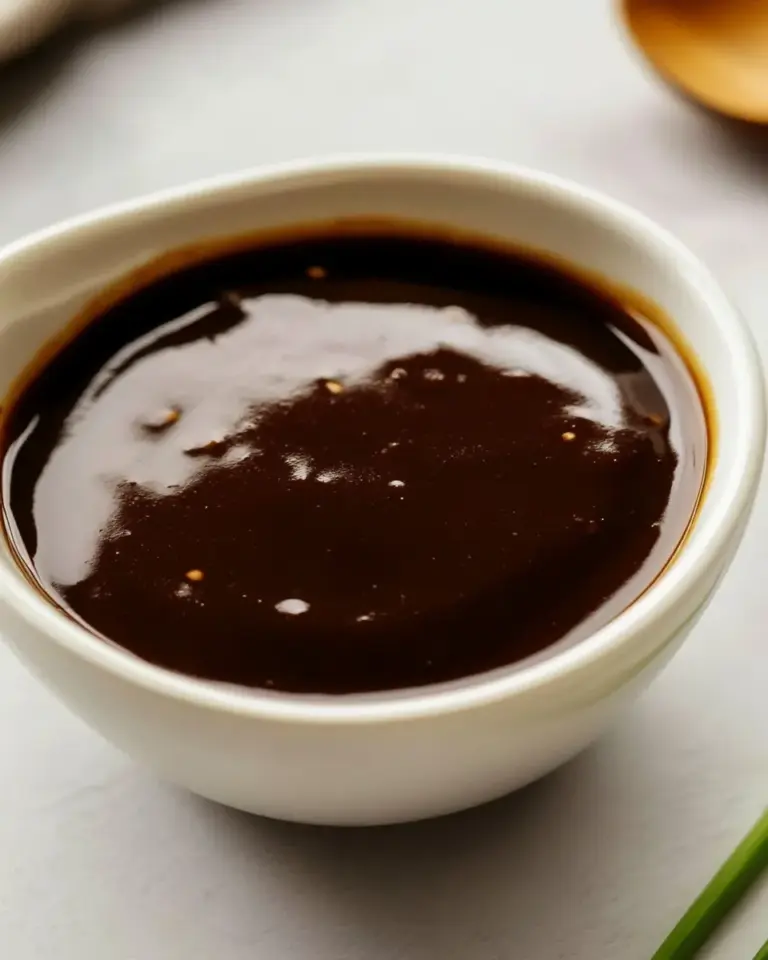
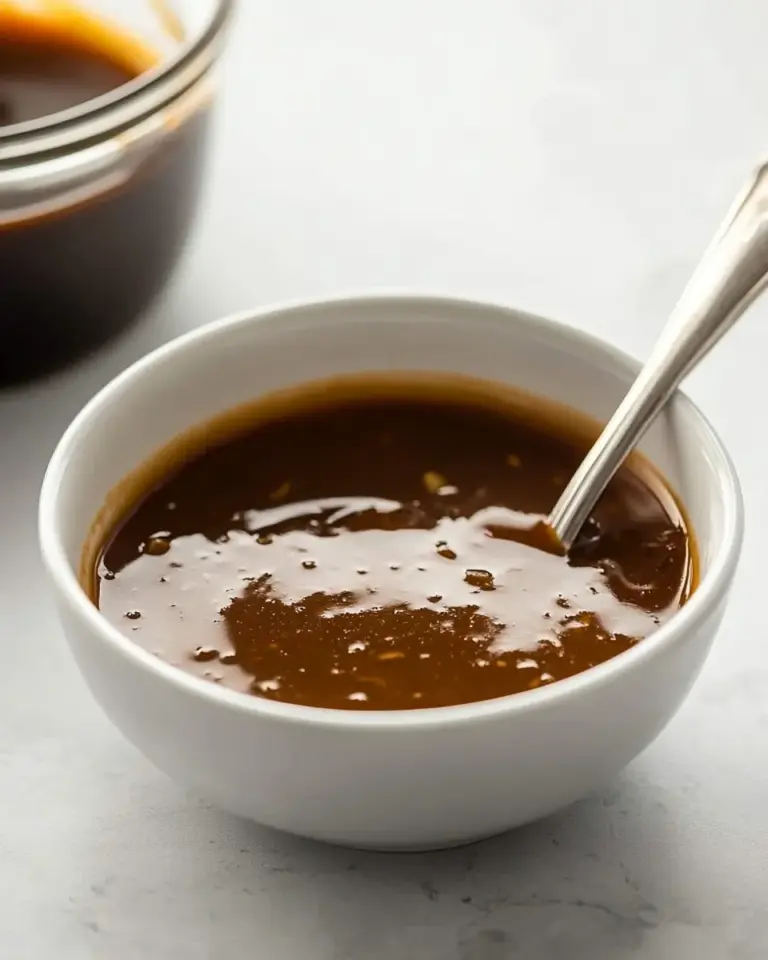
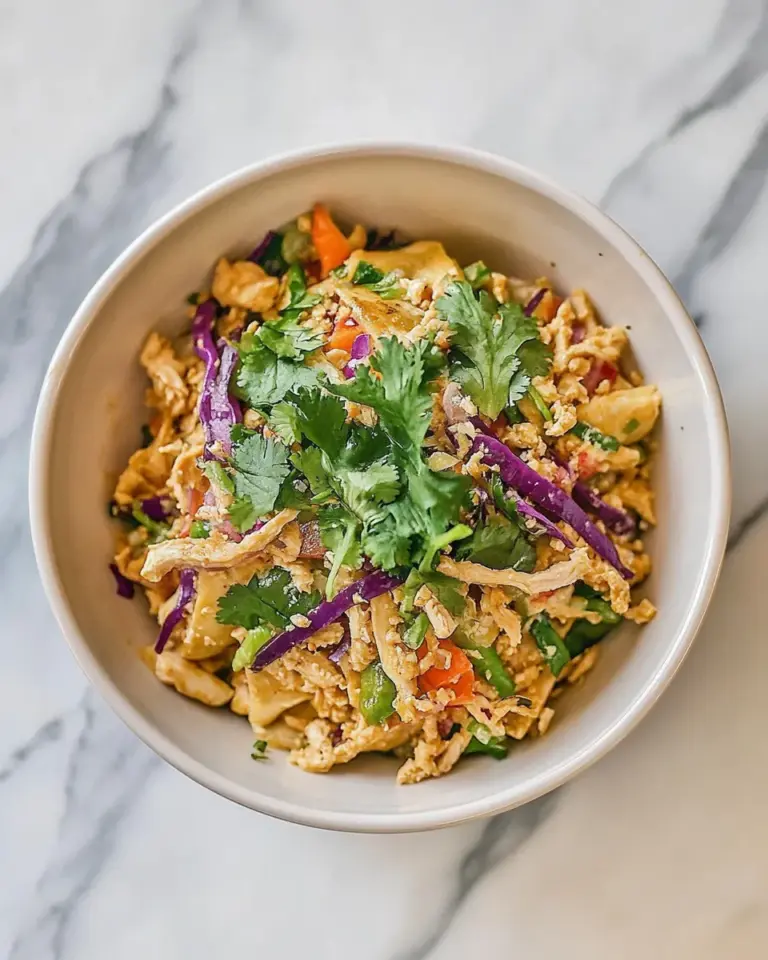
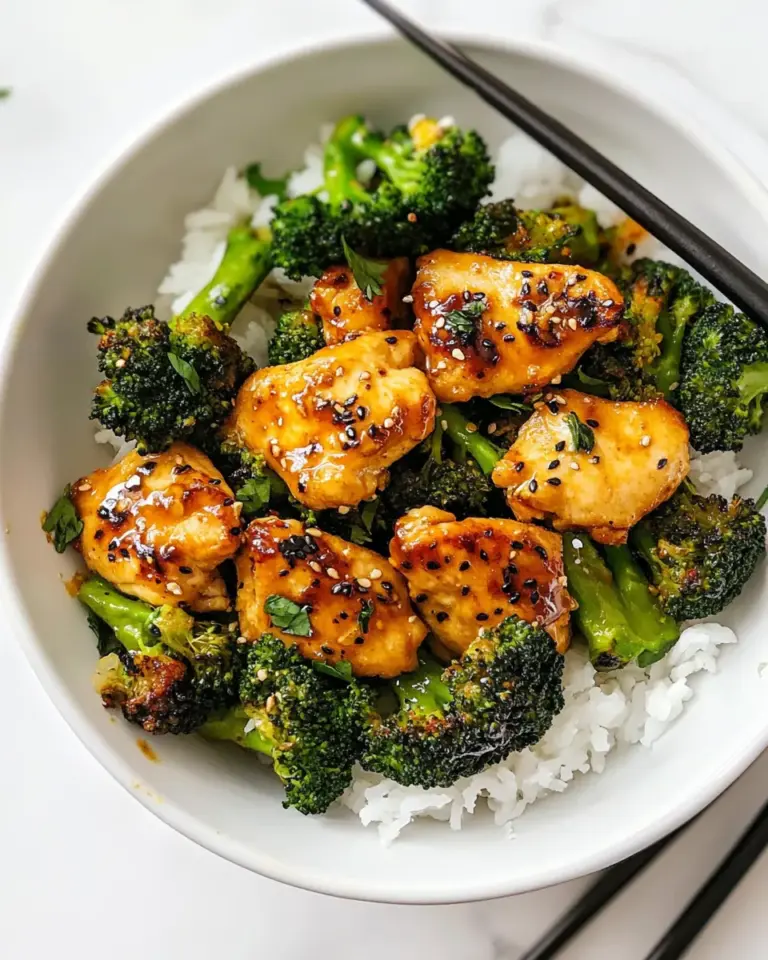
Looking to elevate your culinary game with a flavorful twist? Look no further than this exquisite Bulgogi Sauce Recipe. This sauce is an essential part of Korean cuisine, renowned for its sweet and savory profile that pairs beautifully with grilled meats, vegetables, and even tofu. With just a handful of ingredients, you can whip up this delicious sauce that will make your taste buds dance and your meals unforgettable. Let’s dive into the world of Bulgogi sauce and discover how to make it at home.
Why It Deserves a Spot
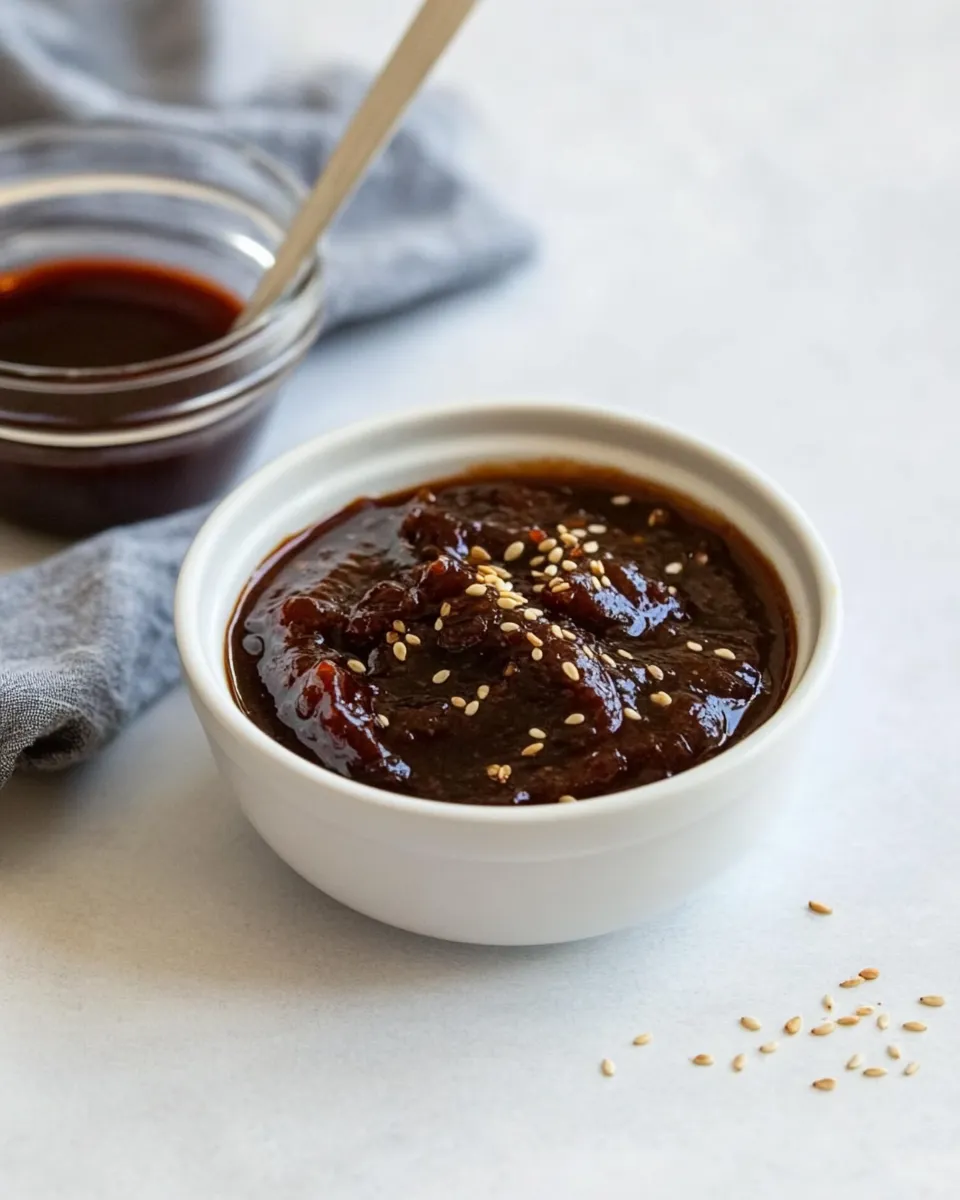
Bulgogi sauce is not just a condiment; it’s a flavorful ambassador of Korean cuisine. It deserves a spot in your kitchen because of its versatility and the depth of flavor it brings to any dish. The combination of soy sauce, brown sugar, sesame oil, and spices creates a balance of umami, sweetness, and a touch of heat. Whether you’re marinating beef, chicken, or even vegetables, this sauce transforms ordinary meals into extraordinary experiences. Plus, it’s quick to prepare, making it perfect for busy weeknights or a special gathering with friends.
Your Shopping Guide
Ready to gather your ingredients? Here’s what you’ll need for this Bulgogi Sauce Recipe:
- Soy Sauce: 1/2 cup – Look for low-sodium options if you prefer a less salty flavor.
- Brown Sugar: 1/4 cup – This adds the perfect caramel sweetness to balance the soy sauce.
- Sesame Oil: 2 tablespoons – A key ingredient for that nutty aroma.
- Gochujang Red Chili Paste: 1 tablespoon – Provides a spicy kick; adjust according to your heat preference.
- Pear: 1/2, finely grated – This adds natural sweetness and tenderizes the meat.
- Garlic: 3 cloves, minced – Essential for depth and aroma.
- Ginger: 1-inch piece, grated – Adds warmth and a hint of spiciness.
Before You Start: Equipment
Before you embark on this culinary adventure, make sure you have the following equipment on hand:
- Mixing Bowl: For combining all the ingredients.
- Whisk or Spoon: To blend the sauce together smoothly.
- Grater: For the pear and ginger; a microplane works best.
- Measuring Cups and Spoons: To ensure accurate measurements.
- Jar or Container: For storing any leftover sauce.
Bulgogi Sauce Recipe: From Prep to Plate
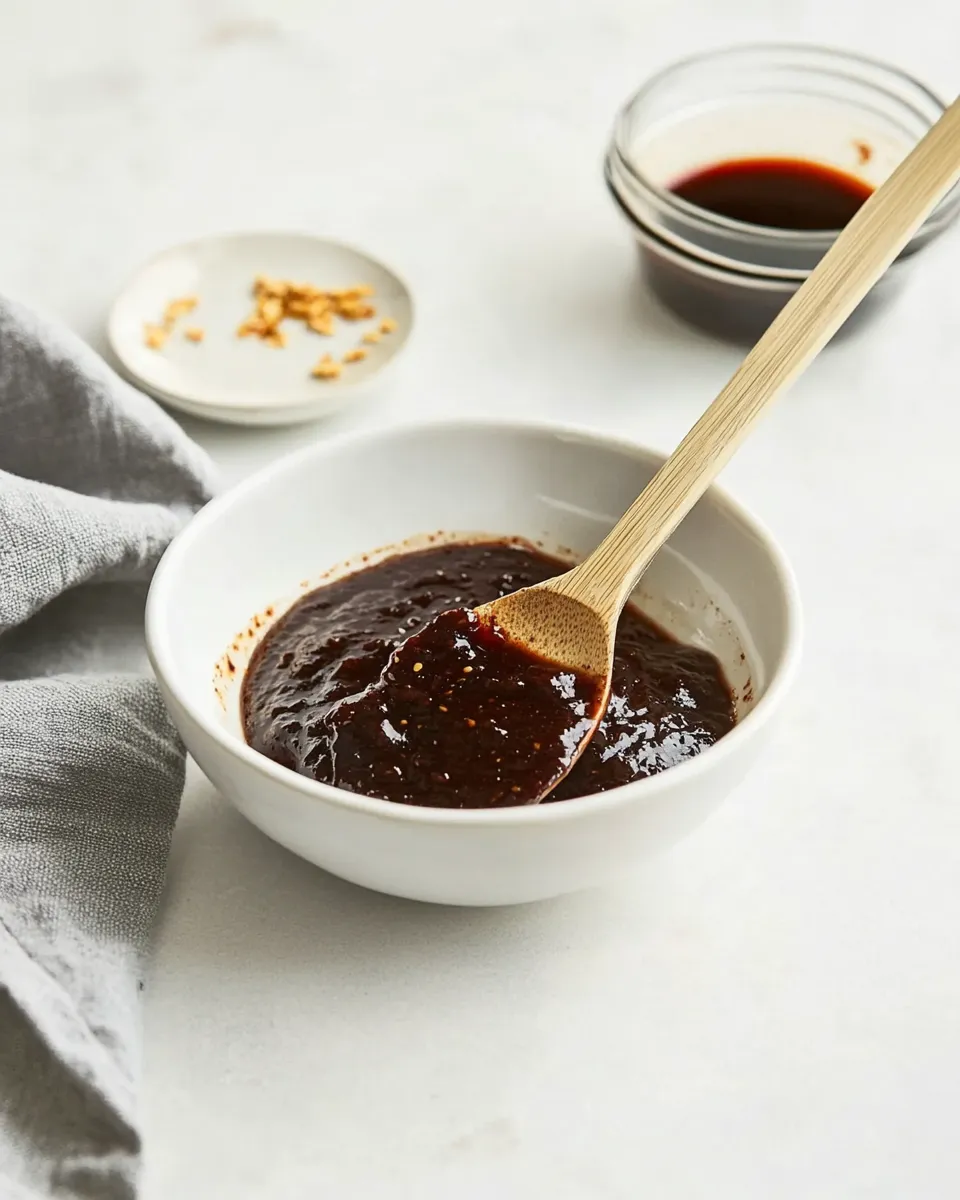
Ready to make your Bulgogi sauce? Follow these easy steps:
Step 1: Gather Your Ingredients
Start by measuring out all your ingredients. Having everything prepped and ready to go makes the process smoother and more enjoyable.
Step 2: Combine the Soy Sauce and Brown Sugar
In a mixing bowl, combine the 1/2 cup of soy sauce and 1/4 cup of brown sugar. Whisk them together until the brown sugar has dissolved completely.
Step 3: Add the Sesame Oil and Gochujang
Next, add 2 tablespoons of sesame oil and 1 tablespoon of gochujang red chili paste to the mixture. Stir until well combined. This will infuse your sauce with rich flavors.
Step 4: Incorporate the Grated Pear, Garlic, and Ginger
Grate 1/2 pear and add it to the bowl, along with 3 minced garlic cloves and 1 inch of grated ginger. Mix everything well to ensure an even distribution of flavors.
Step 5: Taste and Adjust
Give your sauce a taste. If you prefer it sweeter, add a little more brown sugar. For extra heat, add a touch more gochujang. This is your sauce, so feel free to adjust it to your liking!
Step 6: Store the Sauce
If you’re not using the sauce immediately, transfer it to a jar or airtight container. It can be stored in the refrigerator for up to a week, allowing the flavors to meld even more over time.
Adaptations for Special Diets
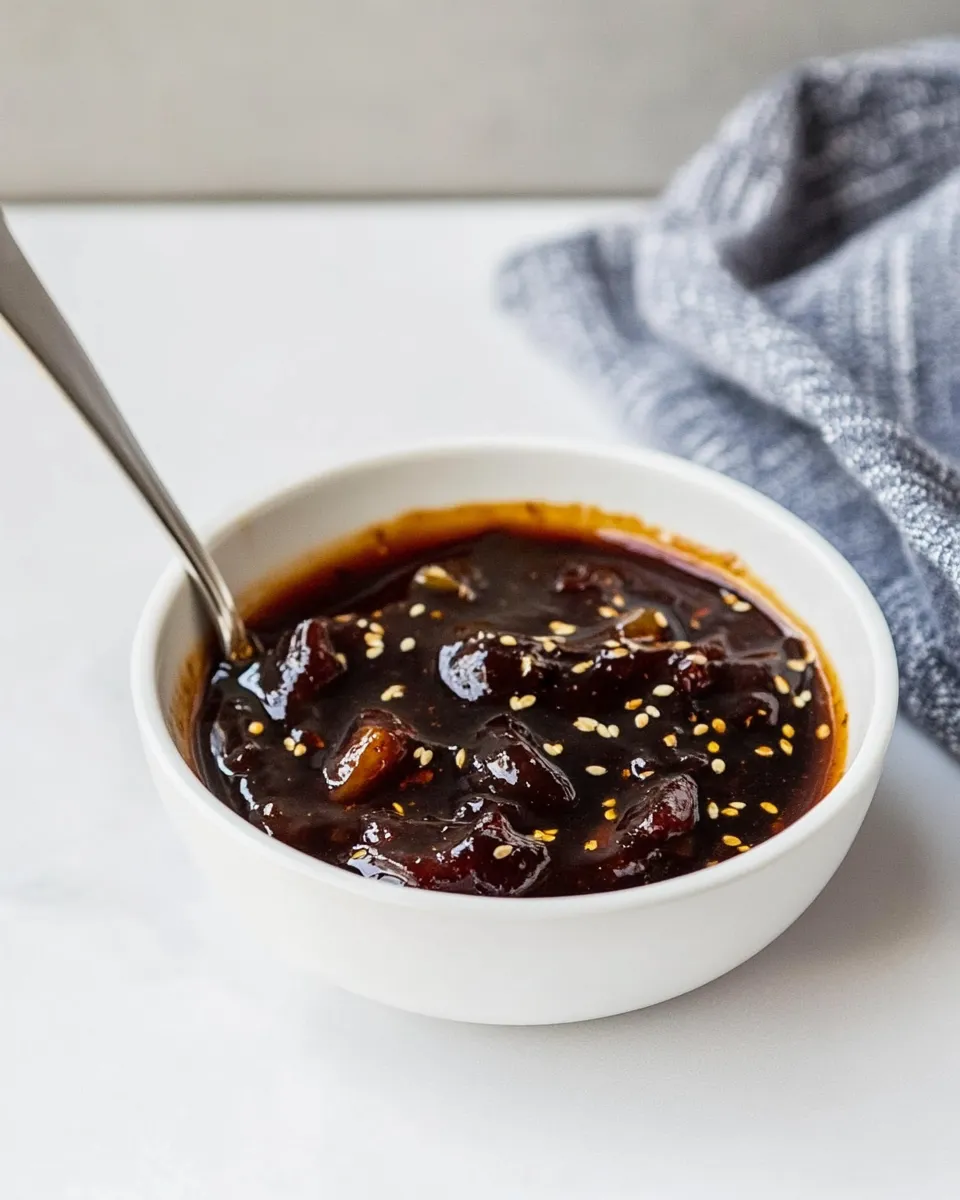
If you have dietary restrictions or preferences, here are some easy adaptations for this Bulgogi Sauce Recipe:
- Gluten-Free: Use tamari instead of soy sauce for a gluten-free option.
- Lower Sugar: Substitute brown sugar with coconut sugar or a sugar alternative like stevia or monk fruit.
- Less Spicy: Reduce the amount of gochujang or omit it entirely for a milder flavor.
- Vegan: Ensure that your soy sauce is vegan-friendly; the recipe is naturally vegan as it stands.
Cook’s Commentary
- This Bulgogi Sauce Recipe is incredibly versatile; not only is it great for marinating meats, but it can also be used as a dipping sauce for vegetables or as a flavor enhancer in stir-fries.
- Experiment with different proteins; while beef is traditional, chicken, pork, and even tofu are excellent choices that absorb the flavors beautifully.
- Feel free to make a larger batch of this sauce. It keeps well in the fridge, and you’ll find plenty of opportunities to use it in various dishes.
- For an authentic touch, try adding a splash of rice vinegar for acidity, which can balance the sweetness and enhance the overall flavor.
Keep It Fresh: Storage Guide
To keep your Bulgogi sauce fresh and flavorful, follow these storage tips:
Your homemade Bulgogi sauce can be stored in an airtight container in the refrigerator for up to one week. As it sits, the flavors will continue to develop, making it even tastier. If you want to store it for a longer period, consider freezing it. Portion the sauce into ice cube trays, freeze, and then transfer the cubes to a freezer bag. This way, you can easily thaw just what you need for your next meal!
Handy Q&A
Can I use this sauce for grilling vegetables?
Absolutely! This Bulgogi sauce works wonderfully as a marinade for vegetables. Just toss your favorite veggies in the sauce and let them soak up the flavor before grilling or roasting them.
What meats pair best with Bulgogi sauce?
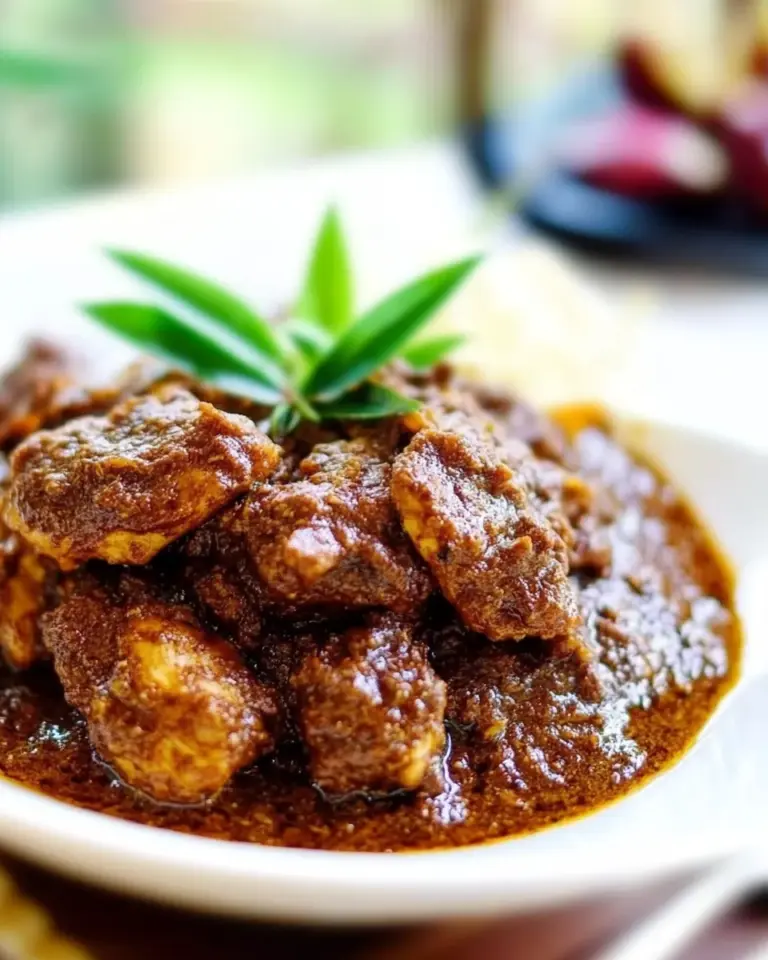
Traditionally, Bulgogi sauce is used with beef, particularly ribeye or sirloin. However, it also pairs beautifully with chicken, pork, and even seafood. The marinade tenderizes the meat and infuses it with flavor.
Can I make this sauce spicy?
Yes! If you love heat, you can easily increase the amount of gochujang or even add a pinch of red pepper flakes to amp up the spiciness.
How can I serve dishes made with Bulgogi sauce?
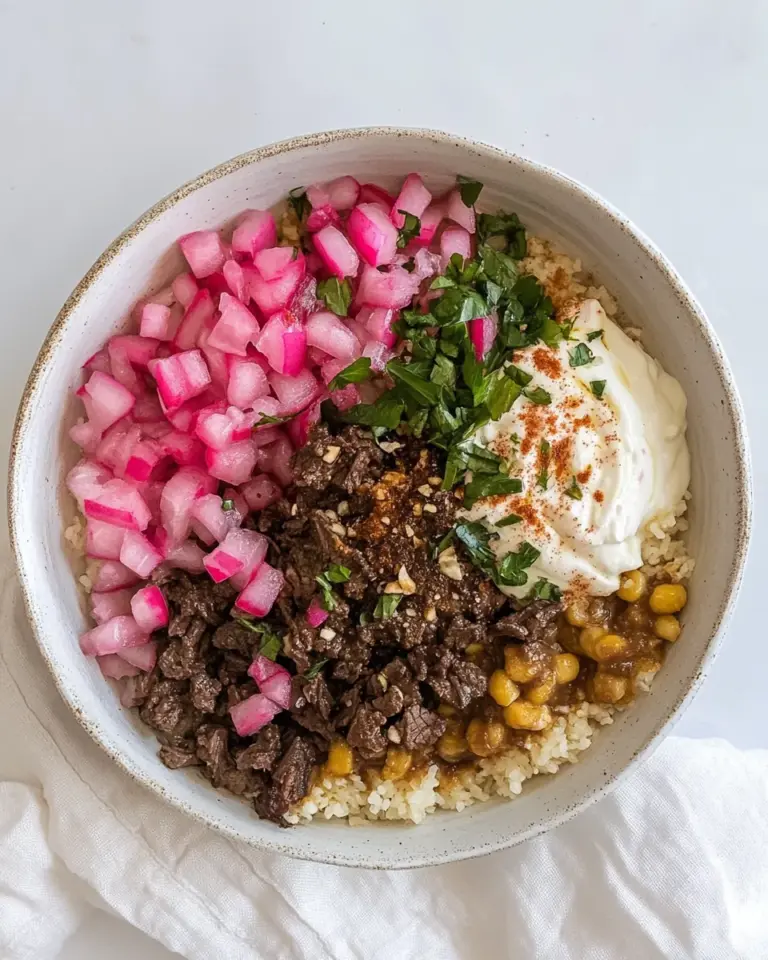
This sauce is perfect for making a variety of dishes. You can serve marinated meats over steamed rice, in lettuce wraps, or as part of a Korean BBQ spread with sides like kimchi and pickled vegetables.
In Closing
This Bulgogi Sauce Recipe is your ticket to bringing authentic Korean flavors right into your kitchen. With its perfect blend of sweet, savory, and spicy notes, it’s a versatile sauce that can enhance any dish. From marinating meats to adding depth to stir-fries, this sauce is sure to become a staple in your culinary repertoire. So gather your ingredients, follow the steps, and enjoy the delicious journey of creating your very own Bulgogi sauce at home. Happy cooking!
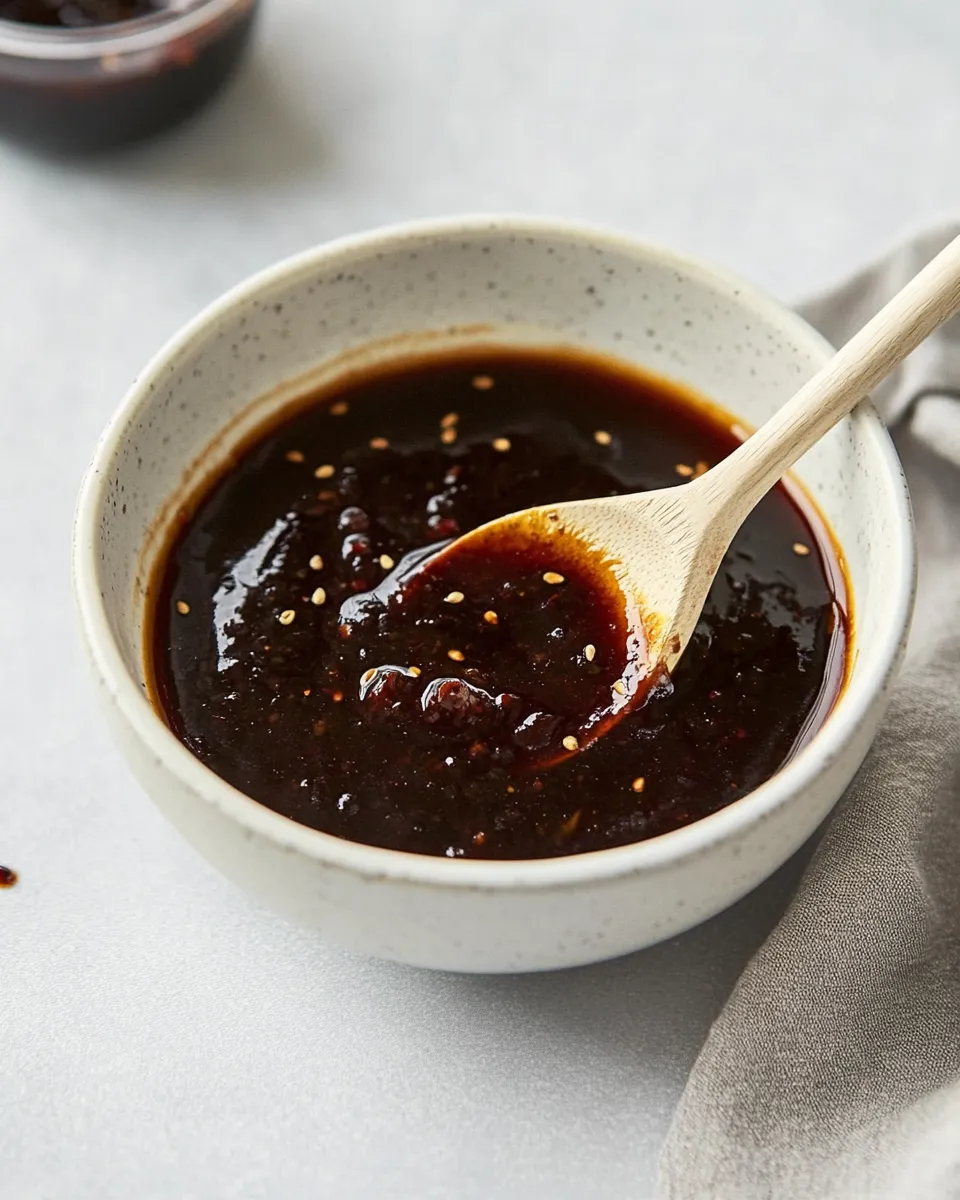
Bulgogi Sauce Recipe
Ingredients
Equipment
Method
- Start by measuring out all your ingredients. Having everything prepped and ready to go makes the process smoother and more enjoyable.
- In a mixing bowl, combine the 1/2 cup of soy sauce and 1/4 cup of brown sugar. Whisk them together until the brown sugar has dissolved completely.
- Next, add 2 tablespoons of sesame oil and 1 tablespoon of gochujang red chili paste to the mixture. Stir until well combined.
- Grate 1/2 pear and add it to the bowl, along with 3 minced garlic cloves and 1 inch of grated ginger. Mix everything well to ensure an even distribution of flavors.
- Give your sauce a taste. If you prefer it sweeter, add a little more brown sugar. For extra heat, add a touch more gochujang.
- If you’re not using the sauce immediately, transfer it to a jar or airtight container. It can be stored in the refrigerator for up to a week.
Notes
- Experiment with different proteins like chicken, pork, or tofu.
- For a gluten-free option, use tamari instead of soy sauce.
- Portion the sauce into ice cube trays and freeze for longer storage.