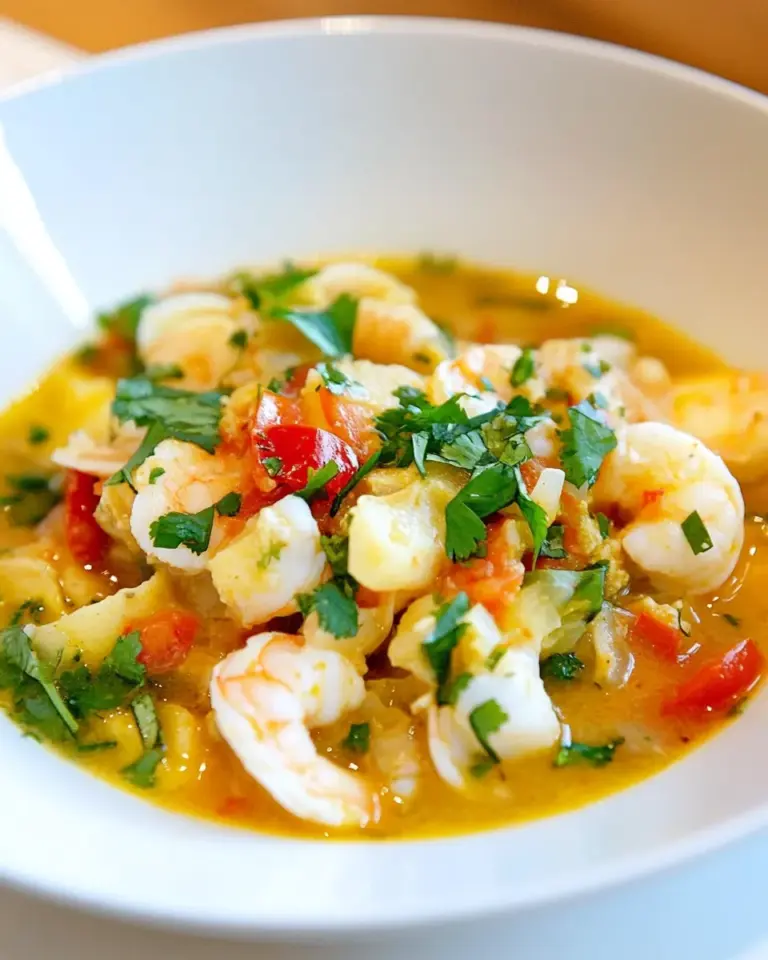
Indian Fish Coconut Curry
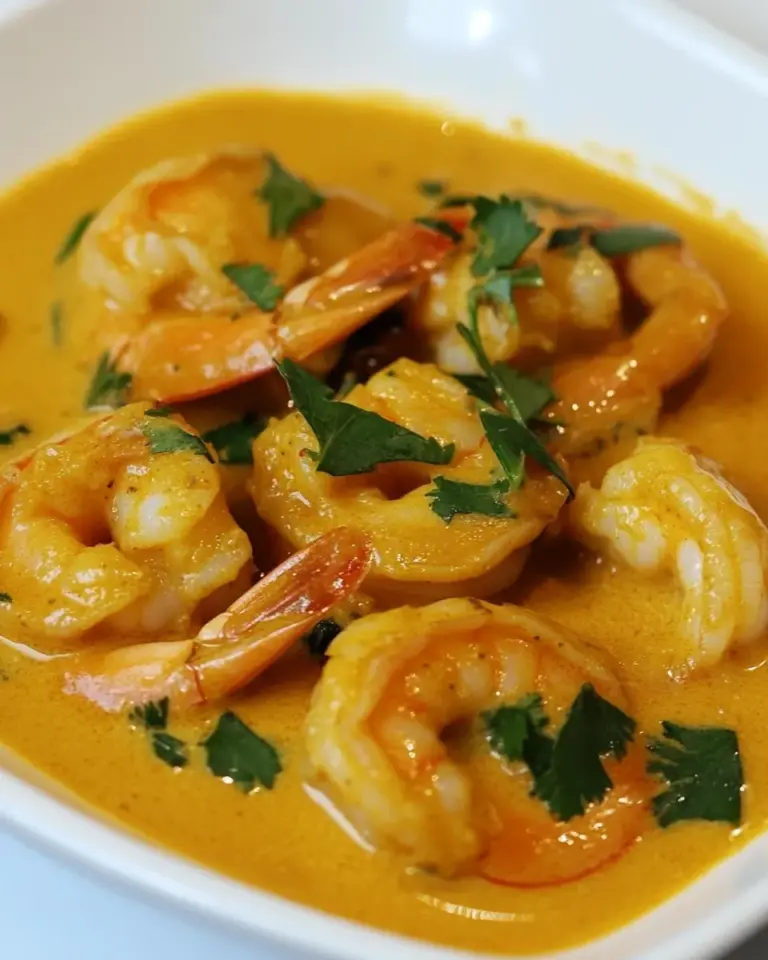
When it comes to comforting, flavorful meals, few dishes can rival the rich and aromatic Indian Fish Coconut Curry. This dish brings together the delicate flavors of fish with the creamy, luscious texture of coconut milk, creating a symphony of tastes that is both satisfying and exotic. Ideal for weeknight dinners, this recipe is simple enough for a quick meal but impressive enough to serve guests, making it a versatile addition to your culinary repertoire.
Why It’s Crowd-Pleasing
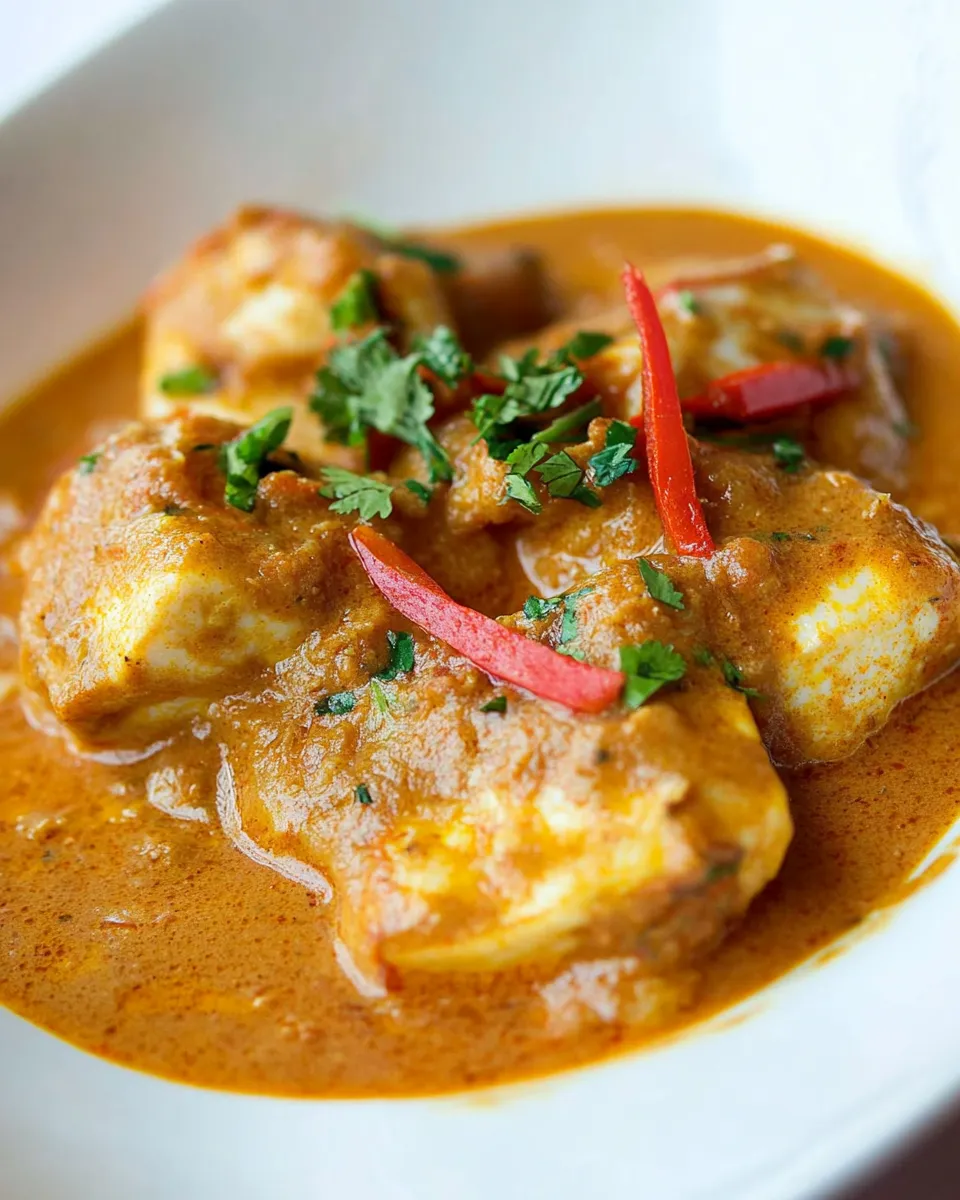
Indian Fish Coconut Curry is a true crowd-pleaser for several reasons. First, it features the harmonious blend of spices that Indian cuisine is known for, providing a warm and inviting aroma that fills your kitchen. The creaminess of the coconut milk balances the spices beautifully, making it accessible even for those who may be hesitant about heat. Furthermore, the dish is quick to prepare, allowing you to whip up a delicious meal without spending hours in the kitchen. It pairs wonderfully with steamed basmati rice or warm naan, making it perfect for sharing with family and friends.
Ingredient Rundown
To make this delightful Indian Fish Coconut Curry, gather the following ingredients:
- 1 pound boneless, skinless fish fillets – any white fish like cod or tilapia works well.
- 1 tablespoon vegetable oil – for sautéing the spices and aromatics.
- 1/2 onion, grated on large holes of a box grater – this adds sweetness and depth.
- 1 teaspoon grated fresh ginger – for a zesty, aromatic kick.
- 2 cloves garlic, finely minced – essential for building flavor.
- 1 fully ripe tomato, diced or 1 1/2 cups canned diced tomatoes – for acidity and richness.
- 1 teaspoon garam masala – a warm spice blend that defines the dish.
- 1/4 teaspoon chili powder (cayenne) – adjust according to your heat preference.
- 1/2 teaspoon salt – to enhance the flavors.
- Freshly ground black pepper – for added seasoning.
- 1 cup coconut milk – the star ingredient for creaminess.
- 1/4 cup water – to adjust the consistency.
- 1-2 fresh chili peppers, cut in half lengthwise (optional) – for those who like extra heat.
Toolbox for This Recipe
- Large skillet or frying pan – for cooking the curry.
- Wooden spoon – to stir and combine ingredients.
- Grater – for the onion and ginger.
- Knife and cutting board – for chopping the vegetables and fish.
- Measuring cups and spoons – to ensure accuracy in your ingredients.
Build Indian Fish Coconut Curry Step by Step
Step 1: Heat the Oil
In a large skillet, heat the vegetable oil over medium heat. Allow it to warm for a minute until shimmering but not smoking.
Step 2: Sauté Aromatics
Add the grated onion to the skillet and sauté for about 2-3 minutes until it becomes translucent. This step is crucial for developing the base flavor of your curry. Next, stir in the grated ginger and minced garlic, cooking for another minute until fragrant.
Step 3: Add Tomatoes and Spices
Stir in the diced tomatoes (or canned tomatoes) and let everything cook together for about 5 minutes, allowing the tomatoes to break down and meld with the spices. Sprinkle in the garam masala, chili powder, salt, and freshly ground black pepper. Cook for an additional 1-2 minutes to toast the spices, enhancing their flavors.
Step 4: Pour in Coconut Milk and Water
Slowly pour in the coconut milk and water, stirring to combine. Bring the mixture to a gentle simmer. At this stage, you can add the fresh chili peppers if you desire extra heat.
Step 5: Add the Fish
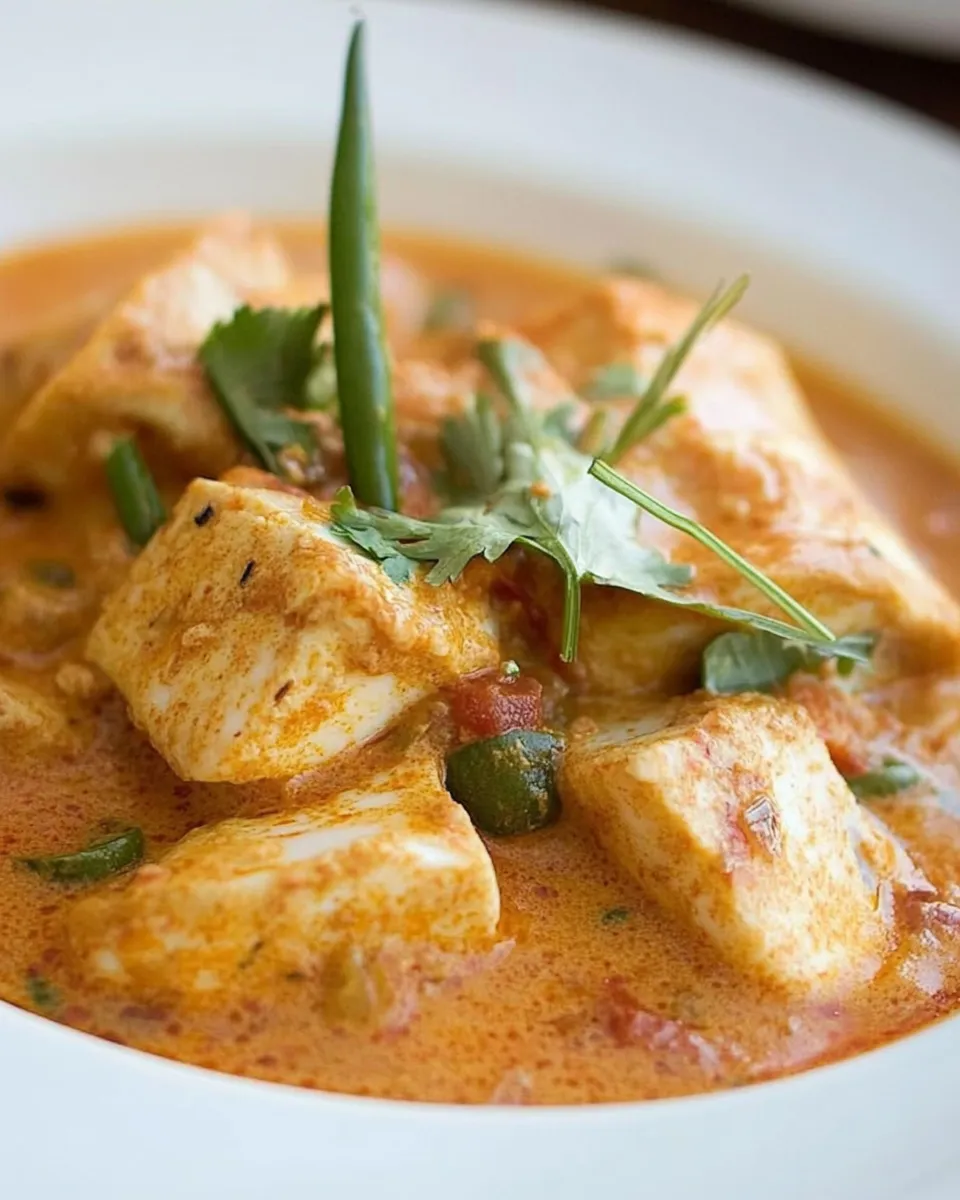
Carefully nestle the fish fillets into the simmering sauce. Allow them to cook for about 5-7 minutes or until the fish is opaque and flakes easily with a fork. Be mindful not to overcook the fish, as it can become tough.
Step 6: Final Seasoning
Taste the curry and adjust the seasoning if necessary, adding more salt or pepper to suit your preferences. Remove the skillet from heat and let it rest for a couple of minutes.
Step 7: Serve
Serve your Indian Fish Coconut Curry hot over steamed basmati rice or with warm naan for a truly comforting meal. Garnish with fresh cilantro if desired.
Variations by Season
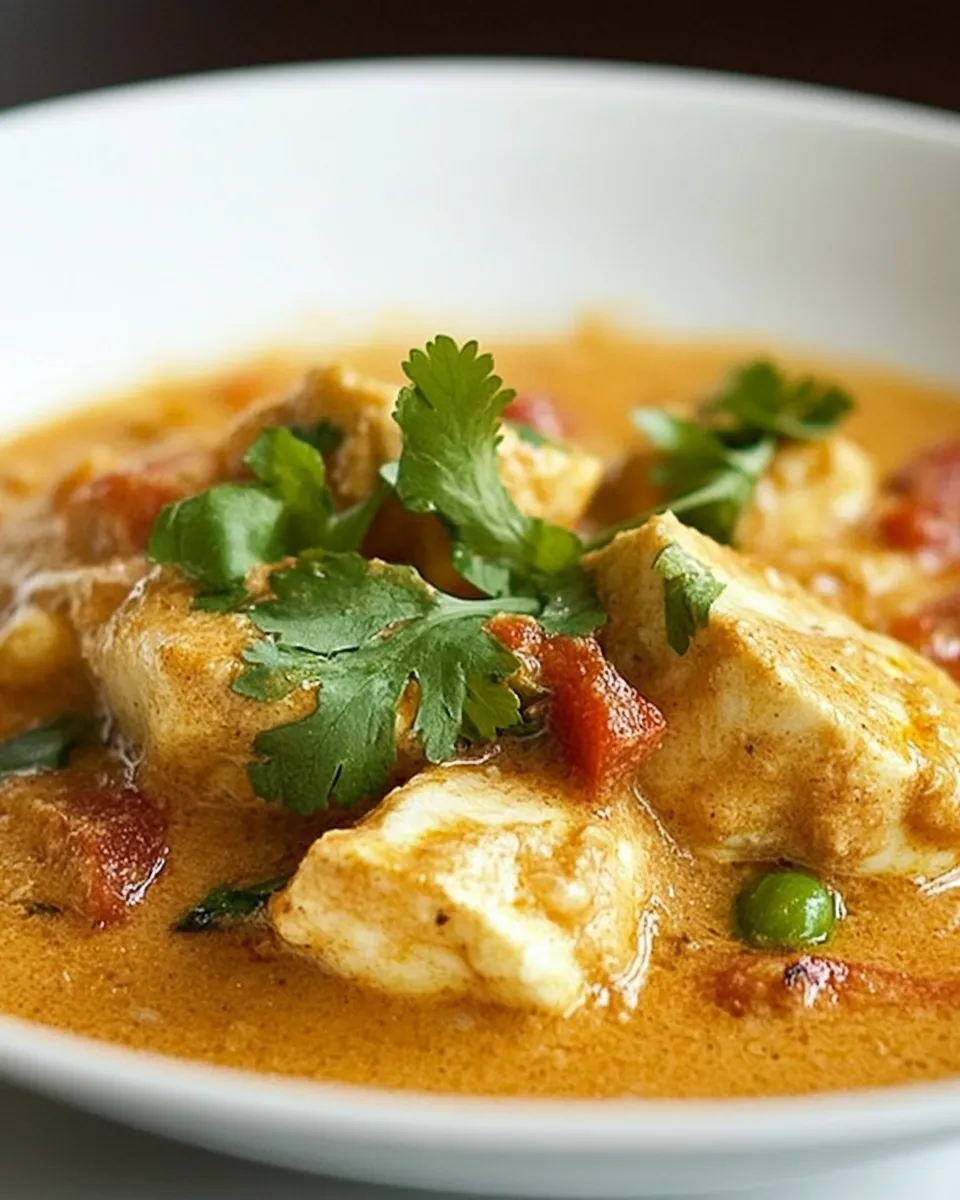
- Spring: Add fresh peas or asparagus for a pop of color and sweetness.
- Summer: Incorporate diced zucchini or bell peppers for a fresh, vibrant twist.
- Fall: Consider adding sweet potatoes or butternut squash for heartiness.
- Winter: Use kale or spinach to add a nutritious green element to the curry.
Behind-the-Scenes Notes
When making Indian Fish Coconut Curry, using high-quality, fresh fish is essential to achieving the best flavor. Feel free to experiment with different types of fish, as long as they are firm and can hold up to cooking. Additionally, the spices can be adjusted based on your personal taste preferences – don’t be afraid to play around with the levels of heat and flavor!
- For a thicker curry, reduce the amount of coconut milk or simmer it longer.
- If you prefer a lighter sauce, you can substitute part of the coconut milk with vegetable broth.
- Leftovers can be enjoyed the next day – the flavors continue to develop!
Cooling, Storing & Rewarming
To cool any leftovers, allow the curry to come to room temperature before transferring it to an airtight container. Store it in the refrigerator for up to 3 days. When reheating, do so gently on the stovetop over low heat, adding a splash of water or coconut milk to loosen the sauce if it thickens too much.
Helpful Q&A
Can I use frozen fish for this recipe?
Yes, you can use frozen fish fillets. Just make sure to thaw them completely before cooking, as this will ensure even cooking and better texture.
What if I don’t have garam masala?
If you don’t have garam masala, you can make a substitute using a combination of ground cumin, coriander, cinnamon, and nutmeg. Use equal parts of each spice to approximate the flavor.
How spicy is this curry? Can I adjust the heat level?
The heat level can be easily adjusted. You can reduce or omit the chili powder and fresh chili peppers if you prefer a milder dish. Alternatively, you can add more chili powder or fresh peppers for extra heat.
What sides pair well with Indian Fish Coconut Curry?
This dish pairs wonderfully with steamed basmati rice, quinoa, or warm naan. A simple side salad or some sautéed greens also complements the curry beautifully.
Save & Share
If you enjoyed making this Indian Fish Coconut Curry, don’t forget to share the recipe with friends and family! It’s perfect for gatherings, and everyone will appreciate the vibrant flavors and comforting essence of this dish. Snap a photo of your curry and tag your favorite food bloggers or create a post to inspire others to try their hand at this delicious recipe!
Crafting an Indian Fish Coconut Curry is not just about the ingredients; it’s about the love and care you put into each step. So gather your ingredients, roll up your sleeves, and get ready to impress your loved ones with this delightful dish. Happy cooking!
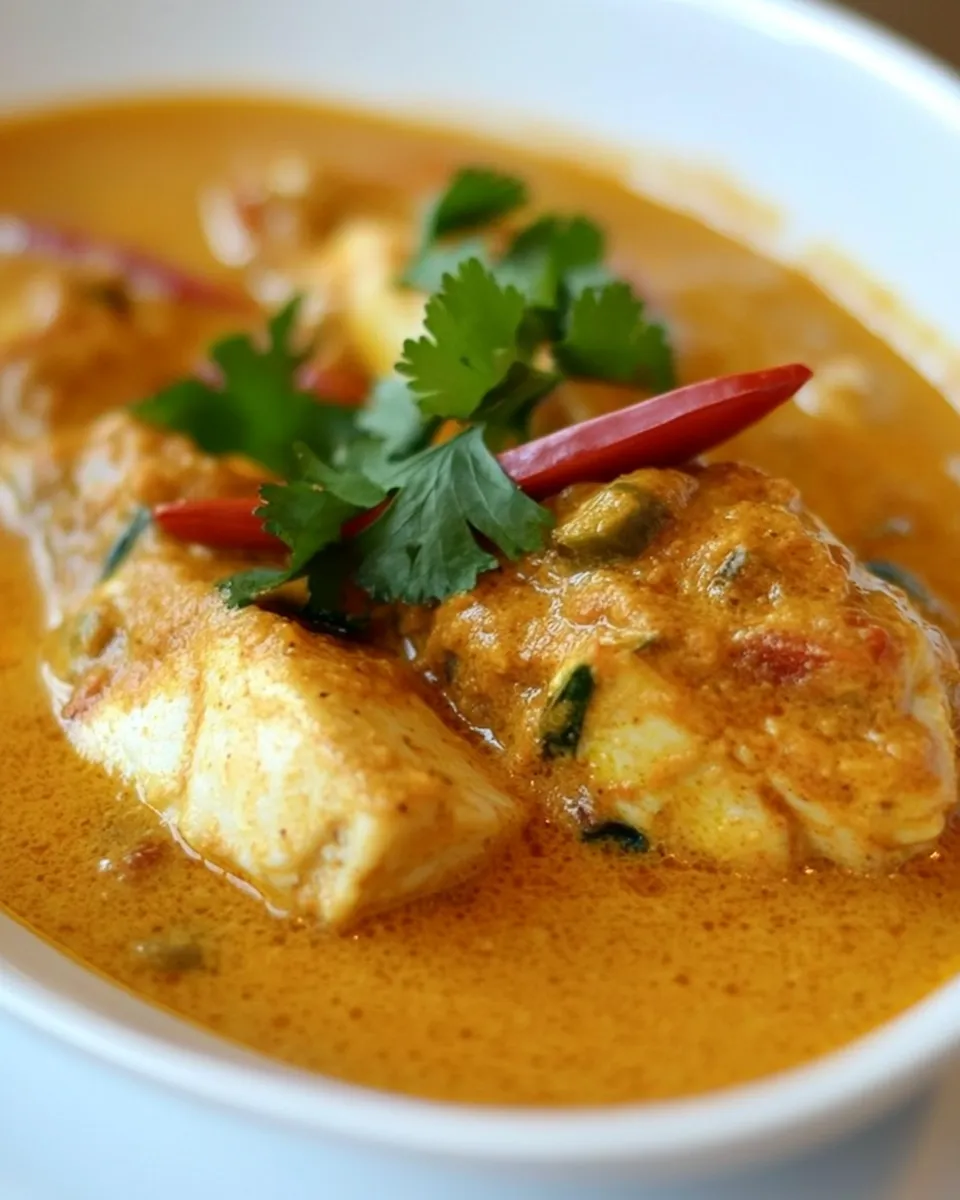
Indian Fish Coconut Curry
Ingredients
Equipment
Method
- In a large skillet, heat the vegetable oil over medium heat. Allow it to warm for a minute until shimmering but not smoking.
- Add the grated onion to the skillet and sauté for about 2-3 minutes until it becomes translucent. Stir in the grated ginger and minced garlic, cooking for another minute until fragrant.
- Stir in the diced tomatoes (or canned tomatoes) and let everything cook together for about 5 minutes. Sprinkle in the garam masala, chili powder, salt, and black pepper. Cook for an additional 1-2 minutes to toast the spices.
- Slowly pour in the coconut milk and water, stirring to combine. Bring the mixture to a gentle simmer. Add the fresh chili peppers if desired.
- Carefully nestle the fish fillets into the simmering sauce. Allow them to cook for about 5-7 minutes or until the fish is opaque and flakes easily with a fork.
- Taste the curry and adjust the seasoning if necessary. Remove the skillet from heat and let it rest for a couple of minutes.
- Serve your Indian Fish Coconut Curry hot over steamed basmati rice or with warm naan for a truly comforting meal.
Notes
- For a thicker curry, reduce the amount of coconut milk or simmer it longer.
- If you prefer a lighter sauce, substitute part of the coconut milk with vegetable broth.
- Leftovers can be enjoyed the next day – the flavors continue to develop!